Top 10 Surf Towns with Budget Accommodation in 2026
The best surf destinations around the world where you can catch world-class waves and find great accommodation without spending a fortune in 2026.
The beauty of surfing is that the ocean does not check your bank balance before sending waves. Some of the most consistent, powerful, and beautiful surf breaks on the planet sit in front of towns where a comfortable bed costs less than a decent meal in Sydney or San Francisco. The trick is knowing where to look, when to go, and how to set yourself up without overpaying.
This is not a list of the cheapest places to exist near saltwater. Every town on this list delivers genuinely good waves, a real surf community, and accommodation options that respect your budget without making you miserable. These are places where you can spend a month, progress your surfing dramatically, and still have money left when you fly home.
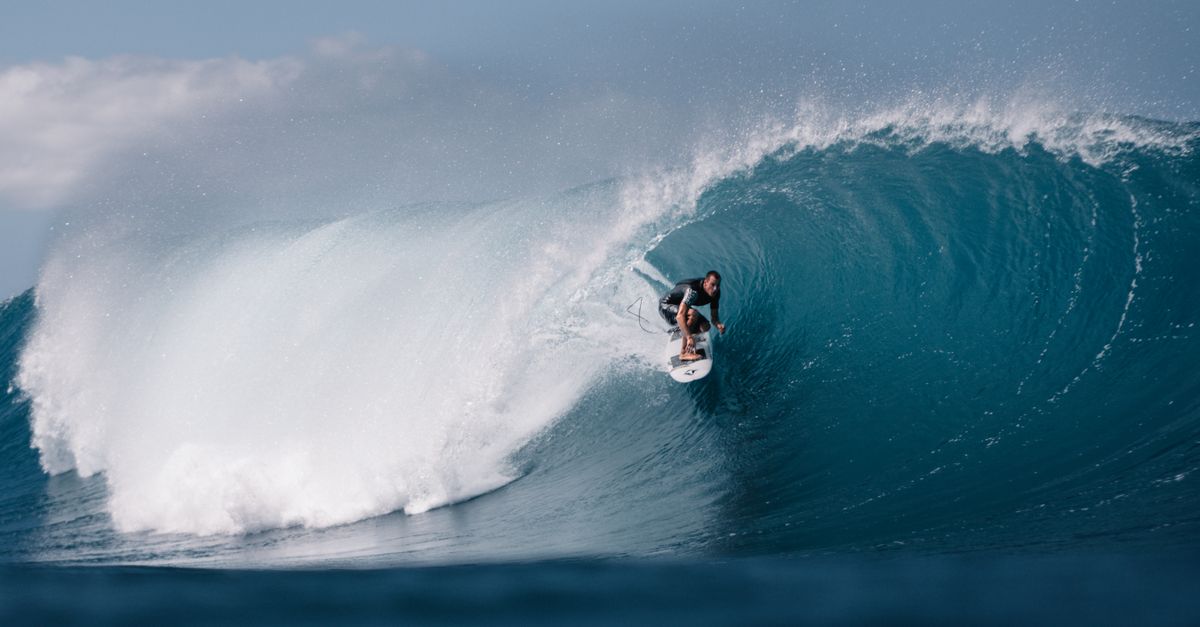 Photo by Daniel Torobekov on Pexels
1. Tamarindo, Costa Rica — $18-55/night
Tamarindo delivers what many surf towns promise but few actually provide: consistent waves for every level within walking distance of cheap, comfortable rooms. The main beach break works year-round, with smaller, friendlier waves from December through April and more powerful surf from May through November during rainy season.
The town has grown significantly over the past decade, but prices remain reasonable by Central American Pacific coast standards. Hostel dorm beds run $18-22 per night, often with pools, surfboard storage, and communal kitchens. Private rooms in surf lodges with breakfast included go for $35-55. Board rentals cost $10-15 per day, and a two-hour lesson with board runs $40-50.
The food situation is excellent for budget travelers. Casados — the traditional Costa Rican set meal with rice, beans, plantain, salad, and your choice of protein — cost $5-7 at local sodas. Smoothie bowls and Western-style cafe food run $8-12 if you want variety.
Best months: May through November for experienced surfers, December through April for beginners Budget tip: Book a room with a kitchen and shop at the Auto Mercado supermarket to cut food costs by 40 percent
2. Imsouane, Morocco — $8-28/night
Imsouane is what Taghazout was fifteen years ago: a small fishing village with a world-class wave and not much else. The bay produces one of the longest right-hand point breaks in Africa — rides of 300 meters or more are common on good days. The wave is mellow enough for intermediates but long enough to keep advanced surfers entertained for weeks.
Accommodation is basic but clean. Guesthouses run by local families start at $8-12 per night for a simple room with shared bathroom. Surf camps with daily lessons, board rental, and three meals per day cost $25-35. There are a handful of newer boutique hostels with rooftop terraces and ocean views for $18-28.
The village itself is tiny — a single main street with a few cafes, a handful of shops, and not much nightlife. That is part of the appeal. You wake up, check the surf, eat a tagine for $3-4, surf all day, and repeat. The simplicity forces you to focus on what matters: time in the water.
Best months: September through March for consistent swell Budget tip: Stay for two weeks or more and negotiate a monthly rate — most guesthouses will drop prices 30-40 percent
 Photo by Asad Photo Maldives on Pexels
3. Cimaja, West Java — Indonesia — $5-20/night
While every surfer and their travel influencer cousin heads to Bali, the south coast of Java quietly delivers some of the best waves in Indonesia at a fraction of the price. Cimaja is a small village about four hours from Jakarta with a punchy left-hand reef break and several beach breaks nearby.
Accommodation here is genuinely cheap. Basic losmen (family-run guesthouses) cost $5-8 per night. Surf camps with meals and guiding run $15-20. The food is authentic Sundanese cuisine — nasi goreng, mie ayam, and fresh fish for $1-3 per meal. A day of surfing with board rental costs $5-8.
The wave itself is a powerful left that breaks over a reef shelf. It is best at mid to high tide and produces hollow, fast barrels on solid south swells. Not a beginner wave, but intermediate surfers can handle the inside section on smaller days. The beach breaks to the east and west offer mellower options.
Best months: April through October (dry season, consistent Indian Ocean swell) Budget tip: Take the train from Jakarta to Sukabumi ($3-5) then a local minibus to Cimaja ($1-2) instead of hiring a private car
4. Cabarete, Dominican Republic — $12-40/night
Cabarete is one of the Caribbean’s best-kept surf secrets. While most people associate the Dominican Republic with all-inclusive resorts, Cabarete has built a serious water sports scene around consistent trade winds, warm water, and a beach break that works for all levels.
The main surf spot, Playa Encuentro, is a 10-minute drive from town with multiple peaks that handle everything from waist-high learner waves to overhead tubes. Board rentals at the beach cost $15-20 per day. Lessons run $35-45 for two hours.
Hostels in Cabarete start at $12-18 for dorm beds with air conditioning — essential in the Caribbean heat. Surf lodges and small hotels with pools and kitchens go for $25-40 per night. Street food stalls along the beach road serve chicharrones, tostones, and fresh fish plates for $3-5. Restaurant meals cost $8-15.
The big bonus of Cabarete is the variety of water sports. When the surf is flat, the wind picks up for kiteboarding and windsurfing. The town also offers stand-up paddleboarding, freediving, and snorkeling. You will never be bored even when the waves take a day off.
Best months: October through April for north swell season Budget tip: Stay at a spot with a kitchen — the Jumbo supermarket has good prices on groceries
 Photo by Jess Loiterton on Pexels
5. Ahangama, Sri Lanka — $7-30/night
Sri Lanka’s south coast has exploded in popularity, but prices remain remarkably low compared to similar destinations. Ahangama sits between the more developed Weligama and the famous Mirissa, offering a mix of reef breaks and point breaks within a short tuk-tuk ride.
The main break in Ahangama is a right-hand reef pass that produces consistent, workable waves from November through April. Nearby Kabalana has a fast, hollow left that attracts more experienced surfers. Weligama, five minutes down the coast, has the best beginner wave on the south coast — a wide, gentle beach break.
Budget accommodation is everywhere. Basic guesthouses with fans and cold-water showers start at $7-10. Air-conditioned rooms in small hotels with breakfast included run $18-30. Surf camps with daily guiding and board rental cost $25-35 per night. A rice and curry lunch with five or six curries costs $2-3 at a local spot. Tuk-tuk rides between surf spots cost $1-3.
Best months: November through April (dry season, consistent southwest monsoon swell) Budget tip: Rent a scooter for $5-7 per day to access all the breaks between Hikkaduwa and Mirissa
6. Peniche, Portugal — $15-45/night
Peniche is a peninsula jutting out into the Atlantic about an hour north of Lisbon, and its geography is what makes it special. No matter what direction the wind or swell comes from, there is a wave working somewhere on the peninsula. The north side catches northwest swells, the south side catches southwest swells, and the town itself creates wind shelter.
Supertubos, on the south-facing beach, is one of the heaviest beach breaks in Europe and hosts a World Surf League Championship Tour event. Baleal, on the north side, offers gentler waves perfect for beginners and intermediates. Molhe Leste provides a sheltered harbor wave for tiny days.
Hostels and surf camps in Peniche are excellent value. Dorm beds start at $15-20 with breakfast. Private rooms in surf lodges with daily surf guiding and transport to the best wave run $30-45. The town has a working fishing port, so seafood is fresh and cheap — a full grilled fish meal with sides costs $8-12 at local restaurants.
Best months: September through November for warm water and consistent swell; March through May for spring sessions Budget tip: Buy a 10-ride Rede Expressos bus pass from Lisbon for significant savings on transport
 Photo by Found GHI on Pexels
7. Huanchaco, Peru — $6-22/night
Huanchaco is more than a surf town — it is a living museum of wave riding. Fishermen here have been riding waves on reed boats called caballitos de totora for more than three thousand years. The wave in front of town is a long, mellow left-hander that is one of the best longboarding waves in South America.
Budget accommodation in Huanchaco is staggeringly cheap. Basic hostels with ocean views start at $6-8 per night. Private rooms in family-run hospedajes cost $12-18. Surf camps with lessons and board rental run $18-25 per day. Street food carts sell ceviche for $2-3, and full menu del dia lunches with soup, main course, and a drink cost $2-3 at local restaurants.
The town is small and relaxed, with a beautiful colonial-era church on the hill overlooking the lineup. The surf community is tight-knit and welcoming, with several local shapers producing quality boards for half the price you would pay in the US or Europe. If you are in the market for a new board, this is the place to buy one.
Best months: Year-round, with the biggest swells from March through June Budget tip: Take the colectivo minibus from Trujillo airport ($0.50) instead of a taxi ($8-10)
8. Siargao, Philippines — $10-35/night
Cloud 9 put Siargao on the surfing map — a thick, powerful right-hand barrel that breaks over a shallow reef. But the island has matured well beyond its one famous wave. Jacking Horse, Stimpy’s, Rock Island, Quicksilver, and Pacifico all offer quality surf for different skill levels. The beach breaks at Daku and Naked Island work for beginners.
Fan rooms — basic rooms with a ceiling fan, concrete walls, and a bathroom — start at $10-15 per night. Air-conditioned rooms in small resorts with pools run $25-35. The island’s food scene has improved dramatically, with a mix of Filipino, Western, and fusion restaurants. Local carinderias serve meals for $1-2, while the tourist restaurants on the main strip charge $5-10.
Getting to Siargao used to require multiple flights and a boat, but direct flights from Manila and Cebu now make it straightforward. A scooter rental costs $6-8 per day and is the best way to explore the different breaks spread along the coast.
Best months: August through November for the most consistent swell Budget tip: Stay in General Luna rather than beachfront Cloud 9 — prices are 30-40 percent lower and the wave is a 5-minute scooter ride away
9. Las Penitas, Nicaragua — $8-25/night
Nicaragua remains one of the cheapest surf destinations in Central America, and Las Penitas is the gateway to the powerful beach breaks along the Pacific coast. The waves here are punchy, often hollow, and surprisingly consistent. The main beach in Las Penitas handles beginners, while the outer bars produce A-frame peaks for more experienced surfers.
Accommodation is straightforward. Beachfront hostels with hammocks and communal areas run $8-15 per night. Private cabanas with ocean views cost $18-25. Surf camps with daily sessions, board and transport to nearby breaks, and meals included go for $30-45. Local food is cheap and filling — gallo pinto with cheese and plantain for $2-3, fresh lobster dinners for $8-12.
The bonus of Las Penitas is access to some of the emptiest waves in Central America. A boat across the estuary brings you to Poneloya and further south, where consistent reef breaks fire with nobody around. Having an empty lineup in Central America in 2026 is increasingly rare, and Las Penitas is one of the last places where it is reliably possible.
Best months: March through October for consistent south and southwest swell Budget tip: Take the chicken bus from Managua ($2) instead of a shuttle ($15-20)
 Photo by Yasin Onus on Pexels
10. Dahab, Egypt — $5-22/night
Dahab is on this list for windsurfing and kitesurfing rather than board surfing, but if your definition of riding waves includes harnessing the wind, no list of budget water sport towns is complete without it. The Sinai Peninsula town sits on the Red Sea with consistent wind, flat warm water, and the cheapest adventure accommodation on the planet.
Dive camps and beach hostels in Dahab start at $5-8 per night. Many include rooftop terraces, common areas with beanbag chairs facing the sea, and shared kitchens. Mid-range rooms with air conditioning and private bathrooms run $15-22. Kitesurfing equipment rental costs $30-50 per day, and a full beginner course runs $250-350 for three to five days.
Beyond the water, Dahab offers world-class freediving in the Blue Hole, desert trekking with Bedouin guides, and rock climbing in the canyons behind town. You can spend a month here, try three or four different adventure sports, and spend less than a week in most European surf towns.
Best months: March through May and September through November for optimal wind Budget tip: Negotiate a monthly rate at a dive camp — $120-180 per month for a private room is standard for longer stays
How to Choose Your Surf Town
The right town depends on what you want beyond the waves:
- Best for total beginners: Tamarindo, Ahangama (Weligama), and Cabarete offer gentle waves, warm water, and affordable lessons
- Best for intermediates pushing their limits: Imsouane, Peniche, and Siargao have quality waves that reward commitment without being terrifying
- Best for advanced surfers on a budget: Cimaja, Las Penitas, and Peniche (Supertubos) deliver power and consequences at rock-bottom prices
- Cheapest overall: Cimaja, Huanchaco, and Dahab let you live on $15-25 per day including accommodation, food, and board rental
- Best food scene: Tamarindo, Siargao, and Cabarete combine good waves with genuinely excellent and varied dining options
Final Tip: The Shoulder Season Advantage
Every surf town has a high season when waves are biggest and accommodation prices peak. But shoulder seasons — the weeks just before and after peak — often deliver 80 percent of the wave quality at 50-60 percent of the price. Book your flights for the shoulder, stay flexible on your return date, and you will surf better waves with fewer people for significantly less money.
The world’s best waves do not care whether you are sleeping in a $200-per-night resort or an $8-per-night guesthouse. They break the same for everyone. The only difference is how long you can afford to stay. Choose budget accommodation, stretch your trip, and you will catch more waves, progress faster, and come home with stories that have nothing to do with thread count.
Get the best ThrillStays tips in your inbox
Weekly guides, deals, and insider tips. No spam, unsubscribe anytime.