Rock Climbing Destinations: Where to Stay Near the World's Best Crags
A guide to the world's best rock climbing destinations with affordable accommodation close to the crag, from limestone in Thailand to granite in Yosemite.
The worst part of any climbing trip is not the pump, the skin damage, or the approach hike. It is staying somewhere far from the crag and burning hours on transport instead of sending routes. The best climbing destinations solve this by putting affordable accommodation within walking distance — or at most a short drive — from world-class rock.
This guide covers twelve destinations across five continents where the climbing is exceptional and the accommodation respects your budget. Every spot has been chosen for the combination of route quality, variety of grades, ease of access from your lodging, and cost of staying.
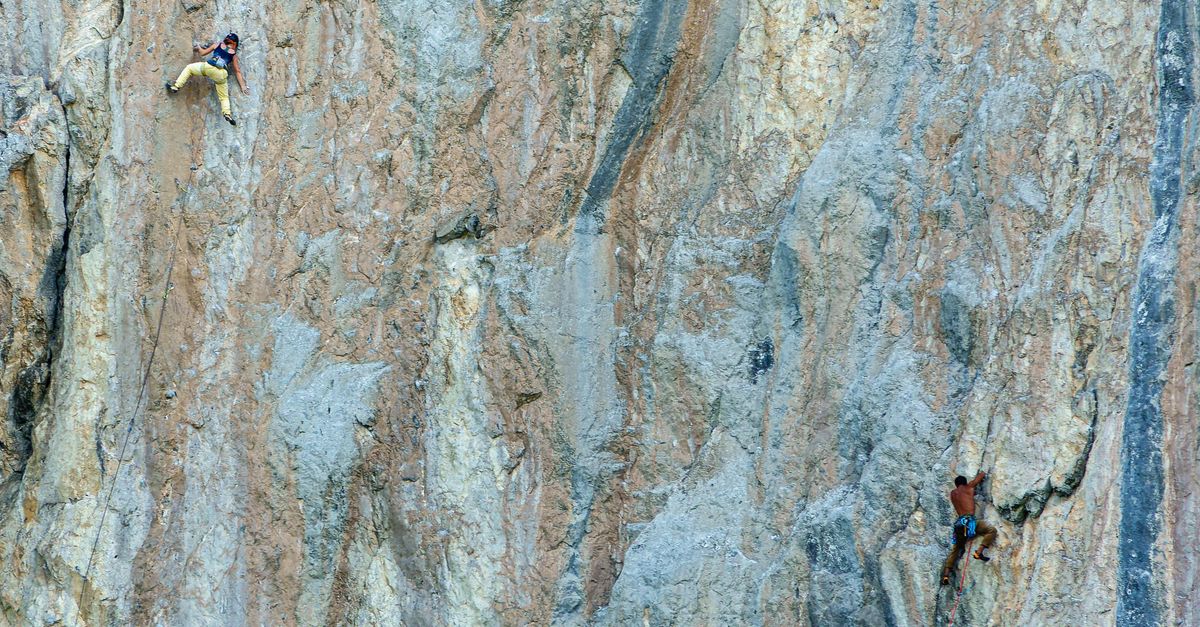 Photo by Francois Noverraz on Pexels
1. Ton Sai, Krabi — Thailand ($8-30/night)
Ton Sai is the single best value climbing destination on the planet. Over 700 bolted sport routes on immaculate limestone, most within a 5-minute walk from your bungalow, in a tropical beach setting with warm weather year-round. Grades range from 5a (5.6) to 8c (5.14d), with the bulk of the climbing sitting in the 6a-7a (5.10a-5.11d) range that serves the majority of traveling climbers.
The setting is absurd: towering limestone karst towers covered in stalactites, tufas, and pockets, jutting out of the Andaman Sea. You climb with the ocean as your backdrop, and when you are done, you swim in warm turquoise water thirty meters from the base of the wall.
Where to stay: Beachfront bungalows on Ton Sai Beach start at $8-12 per night for basic bamboo huts with mosquito nets and cold-water showers. Concrete rooms with private bathrooms and fans run $15-25. Railay Beach, a 15-minute walk away, has nicer options for $25-40. The Basecamp Tonsai hostel is the climber hub, with gear storage, a community board for finding partners, and dorm beds for $10-12.
Getting there: Longtail boat from Ao Nang (10 minutes, $3-5) or from Krabi Town pier (45 minutes, $5-8).
What to climb: Start with the classics on 1-2-3 Wall and Fire Wall for moderate grades. Diamond Cave offers some of the best steep climbing in Asia. Thaiwand Wall has multi-pitch routes with ocean views. The Humanality and Odyssey sectors offer harder climbing for the strong.
Best months: November through March (dry season, lower humidity)
2. Kalymnos, Greece ($15-45/night)
The Greek island of Kalymnos has become Europe’s premier sport climbing destination over the past two decades, and for good reason. More than 3,500 bolted routes across dozens of sectors, mostly on featured limestone with bomber holds and thoughtful bolting. The concentration of moderate climbing is unmatched — there are hundreds of routes in the 6a-7a range, making it paradise for intermediate climbers trying to break through plateaus.
Where to stay: Masouri village, directly below the main climbing areas, has apartments and studios starting at $15-25 per night. Many include kitchens, balconies with sea views, and are a 5-minute walk from the base of the crag. Climbing-specific accommodations like Studio Jenna and Climbers Garden run $25-45 with gear storage and route info. Booking directly with owners via WhatsApp or email consistently beats Booking.com prices by 15-25 percent.
What to climb: Grande Grotta is the island’s crown jewel — a massive cave with 40+ routes from 6b to 8c. Poets and Panorama offer easier climbing with spectacular views. Odyssey, Ghost Kitchen, and North Cape cover the harder end. Almost every sector has a good mix of grades.
Best months: March through May and September through November (avoid July-August heat)
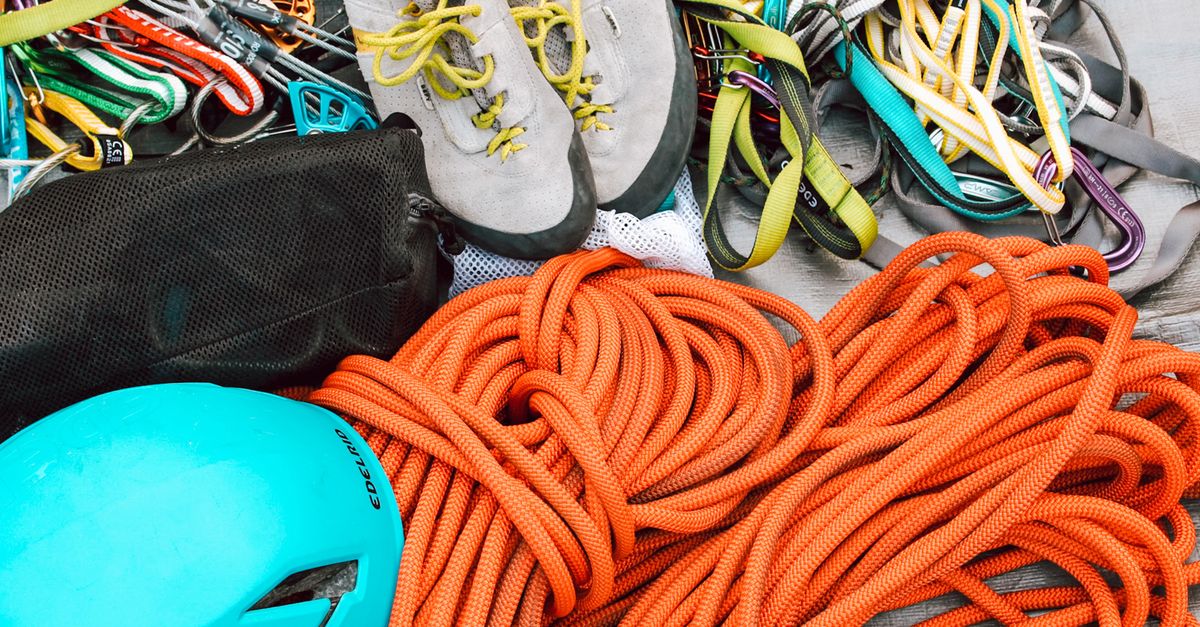 Photo by Gaelyn Salome on Pexels
3. El Potrero Chico, Nuevo Leon — Mexico ($10-35/night)
El Potrero Chico is a limestone canyon in northeastern Mexico that offers some of the best multi-pitch sport climbing in the world. The walls rise 500-800 meters above the canyon floor, and routes like the 15-pitch Space Boyz (5.12a) and the 23-pitch Time Wave Zero (5.12d) are considered some of the finest long routes in North America. But the canyon also delivers excellent single-pitch climbing on pocketed limestone from 5.8 to 5.14.
Where to stay: The village of Hidalgo, at the mouth of the canyon, has grown to serve climbers specifically. La Posada is the main climber camp with tent sites ($10), palapa shelters ($12-15), and private rooms ($25-35). Several Airbnbs and casas in town run $18-30 per night. The camp is a 5-minute walk to the first climbing sectors and has a gear shop, guidebook library, and a communal kitchen.
What to climb: Start with the single-pitch routes at The Virgin Canyon and Chorro Grande for warm-up days. The multi-pitches are the main attraction — Space Boyz, Yankee Clipper (5.10a, 12 pitches), and Sendero Luminoso (5.12d, 15 pitches) are bucket-list routes. The canyon gets sun from mid-morning onward, so early starts on the multi-pitches are essential.
Best months: November through March (cooler temperatures, best friction)
4. Leonidio, Peloponnese — Greece ($12-35/night)
Leonidio is Kalymnos’s younger sibling — same high-quality Greek limestone, fewer crowds, and an increasingly impressive route count now exceeding 2,000. The climbing is concentrated in several gorges and coastal cliffs within 20 minutes of the small town, with excellent variety from slabby face climbing to steep tufa pulling.
Where to stay: Leonidio town has guesthouses and apartments from $12-20 per night. Plaka, the nearby beach village, offers rooms from $18-35 with ocean access for rest days. Several climbing-specific lodges have opened in recent years, offering guidebooks, partner matching, and gear rental. The town has excellent bakeries, tavernas, and a weekly market.
What to climb: The Leonidio gorge walls are the main attraction, with long routes on red and grey limestone. The coastal sectors at Kyparissi offer climbing directly above the sea. Mars sector has some of the best hard climbing in the Peloponnese. For moderate grades, Sabaton and Red Wall are outstanding.
Best months: October through May (avoid summer heat)
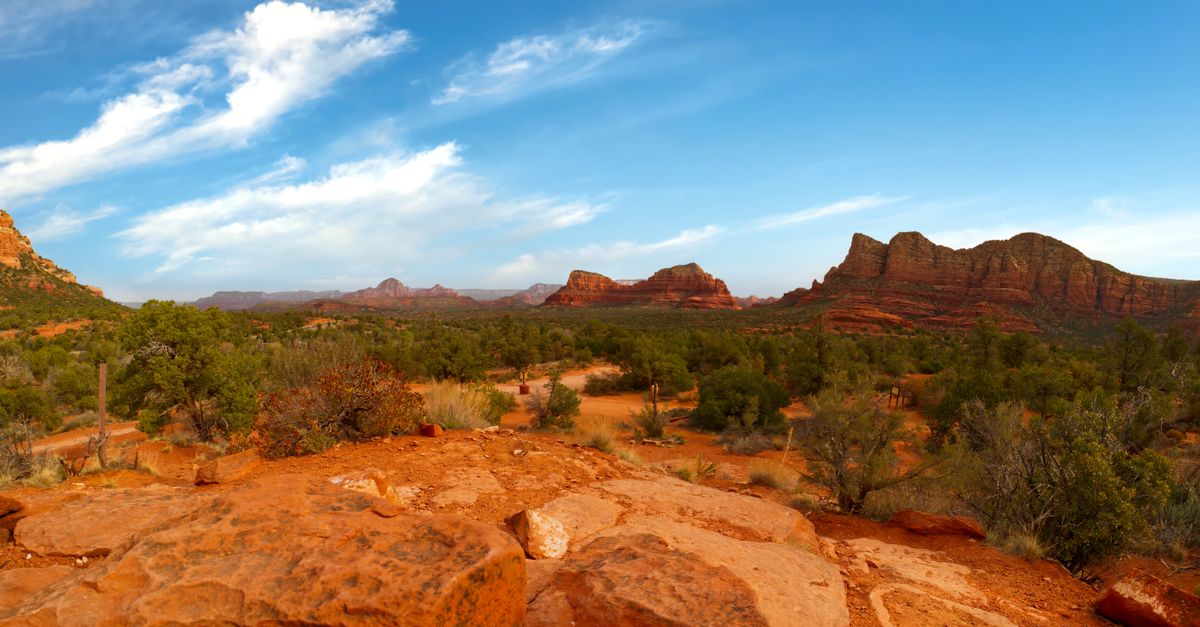 Photo by Simon Hurry on Pexels
5. Hampi, Karnataka — India ($4-18/night)
Hampi is one of the most visually stunning bouldering destinations on earth. A UNESCO World Heritage Site scattered with ancient temple ruins, rice paddies, and — crucially for climbers — thousands of granite boulders ranging from 2 meters to 15 meters tall. The rock quality is superb: coarse-grained granite with crimps, slopers, and cracks, in a landscape that looks like another planet.
Where to stay: Virupapur Gaddi, across the river from the main temple complex, is where climbers stay. Basic guesthouses with rooftop views of the boulder fields start at $4-8 per night. Nicer rooms with private bathrooms and hot water run $10-18. Most guesthouses serve thalis (Indian set meals) for $1.50-3. The climbing community here is small but dedicated, with regular meetups and partner matching.
What to climb: The Kadirampura boulder field is the main area, with hundreds of problems from V0 to V14. The Hampi Bouldering guidebook by Marcus Taylor is essential. Highlights include Golden Gravity (V5), Shadow Boxing (V8), and the classic traverses along the riverside boulders. Bring a crash pad or rent one locally for $5 per day.
Best months: October through February (dry season, cool mornings, best friction)
6. Bishop, California — USA ($0-40/night)
The Buttermilk Boulders and the Owens River Gorge make Bishop one of the best climbing destinations in North America. The Buttermilks are iconic — massive highball boulders on volcanic stone with views of the Sierra Nevada. The Gorge offers hundreds of sport routes on columnar basalt from 5.6 to 5.14. And the Happy and Sad Boulders provide more moderate bouldering in a spectacular desert setting.
Where to stay: Dispersed camping on BLM land around Bishop is free. The Pit, a popular campground near the Buttermilks, costs $0 per night and has become a climber village during the fall and spring seasons. If you want a roof overhead, the Hostel California charges $30-40 per night for dorm beds with showers, laundry, and a communal kitchen. Motels on Main Street run $50-80 in shoulder season.
What to climb: The Buttermilks for world-class highball bouldering (Mandala V12, Grandpa Peabody V4, Buttermilker V1). The Happy Boulders for moderate problems in a surreal landscape. The Owens River Gorge for sport climbing — the Central Gorge has the highest concentration of moderate routes.
Best months: October through November and March through May (desert heat makes summer impossible)
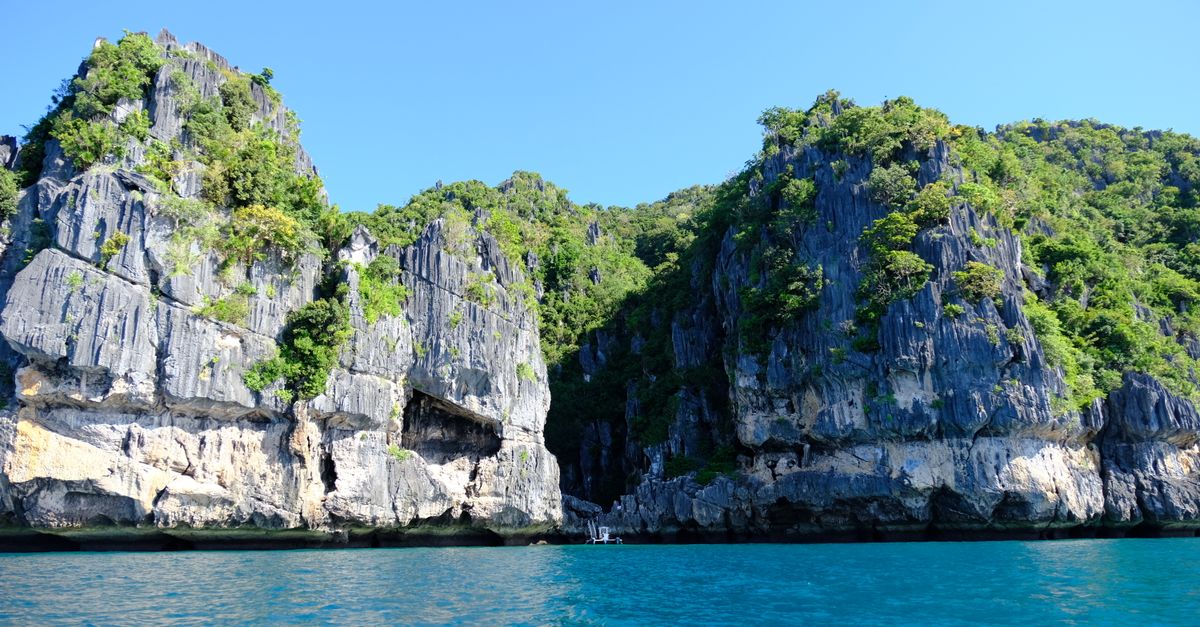 Photo by Jobert Enamno on Pexels
7. Fontainebleau, France ($15-40/night)
Fontainebleau — “Font” to climbers — is the birthplace of modern bouldering and remains its spiritual home. A vast forest an hour south of Paris, scattered with thousands of sandstone boulders organized into numbered circuits by difficulty. The blue circuit (intermediate), orange (advanced), and white (hard) create a natural progression system that makes Font uniquely structured for improvement.
Where to stay: The Gite d’Etape in the village of Buthiers is the classic climber accommodation at $15-20 per night. Camping at Base de Plein Air costs $10-15 with showers and facilities. Airbnbs in Fontainebleau town and the surrounding villages run $30-45 per night. Paris is an hour away by train, so it is possible to day-trip, but staying locally gives you the early-morning sessions when friction is best.
What to climb: Bas Cuvier and Elephant for blue circuit classics. Isatis and Rocher Canon for orange circuit. Cuvier Rempart for the harder stuff. The forest contains over 30,000 problems, so you will never run out of rock. Bring a guidebook, a pad, and good shoes.
Best months: September through November and March through May (avoid summer humidity and winter cold)
8. Liming, Yunnan — China ($5-15/night)
Liming is a sandstone climbing destination in China’s Yunnan province that few Western climbers know about but those who visit never forget. The area features enormous red sandstone formations riddled with natural cracks, making it one of the best trad climbing destinations in Asia. The routes are long, the rock is featured, and the cultural setting — a Naxi ethnic minority village surrounded by terraced fields and forested mountains — is stunning.
Where to stay: Guesthouses in Liming village cost $5-10 per night for basic rooms. A few climbing-focused lodges have opened with gear storage and breakfast for $10-15. The village has simple restaurants serving Yunnan cuisine for $2-4 per meal. The nearest town with ATMs and shops is Lijiang, about three hours away by bus ($5-8).
What to climb: The main cliff — Sanjiang Bing Liu — offers trad routes from 5.7 to 5.13 on splitter cracks in sandstone walls up to 300 meters tall. The climbing style is pure crack: hand jams, finger locks, and offwidths. If you climb cracks, Liming is worth the journey. Bring a full trad rack and be prepared for adventure climbing with Chinese-standard bolted anchors.
Best months: October through April (dry season)
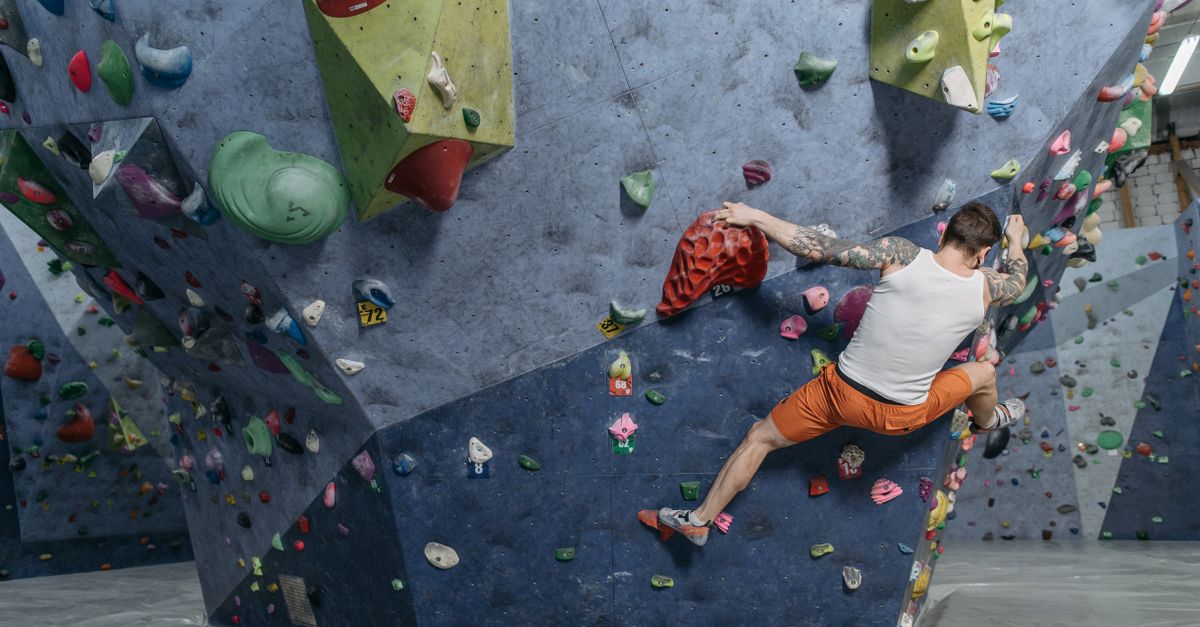 Photo by Pavel Danilyuk on Pexels
9. Siurana, Catalonia — Spain ($12-35/night)
Perched on a clifftop above the Prades mountains in southern Catalonia, Siurana is a tiny medieval village sitting directly on top of some of Europe’s best sport climbing. The rock is conglomerate limestone — rounded cobbles cemented into a grey matrix — that creates a unique climbing style based on pinching, compressing, and trusting small feet on rounded holds.
Where to stay: The village itself has a small campsite ($12-15 per night with tent), a refugi (mountain hut) with dorm beds for $18-22, and a handful of apartments for $25-35. The nearby towns of Cornudella de Montsant and La Morera de Montsant have more options including Airbnbs and small hotels. Being a small village, Siurana has limited restaurant options — a kitchen or a short drive to Cornudella is recommended.
What to climb: The main crag below the village has routes from 5c to 9a+, with the bulk of the climbing in the 6c-7c (5.11b-5.12d) range. La Reina Mora (8b+) is one of the most famous sport routes in Spain. For easier climbing, the sectors near Arboli and La Riba offer excellent moderate routes. The area has well over 1,500 routes within 30 minutes of the village.
Best months: September through December and February through May
10. Hatun Machay, Ancash — Peru ($3-10/night)
Hatun Machay is a bouldering and sport climbing area at 4,200 meters elevation in the Peruvian Andes, about four hours from Huaraz. The rock is volcanic tuff formed into bizarre overhanging caves, mushroom-shaped towers, and horizontal roofs that create some of the most unusual climbing on earth.
Where to stay: There is a basic refugio at the base of the formations with bunks for $3-5 per night. Camping is free and the caretaker provides water. The nearest town with supplies is Catac, 30 minutes away. Most climbers base themselves in Huaraz ($8-20 per night for hostels and guesthouses) and make day trips or overnights to Hatun Machay.
What to climb: The area has over 300 sport routes and boulder problems, mostly on overhanging terrain. The caves provide natural rain shelter, so climbing is possible even in the wet season. Grades start at 5.9 but the bulk of the climbing is 5.11-5.13. The bouldering includes massive roof traverses and steep compression problems. Acclimatize properly before climbing at this altitude — spend at least three days in Huaraz first.
Best months: May through September (dry season), though the caves are climbable year-round
Packing for a Climbing Trip
Your packing list depends on the discipline, but here are essentials that apply everywhere:
- Shoes: Bring two pairs if possible — a comfortable pair for warm-ups and long routes, and an aggressive pair for projects and bouldering. Resoling is available in most climbing destinations for $25-40.
- Harness and belay device: Always bring your own. Rental harnesses are fine for a single day but uncomfortable for extended trips.
- Chalk and brush: Chalk is weirdly expensive in some countries. Bring a bag from home.
- Crash pad: Only worth bringing if you are bouldering exclusively and the destination does not have reliable rentals. Most major bouldering areas now have pad rental services.
- Guidebook: Physical guidebooks are still superior to apps for most climbing destinations. Buy one before you arrive — they sell out locally.
- Quick draws: Essential for sport climbing destinations. Twelve is the minimum; sixteen gives you coverage for longer routes.
- First aid: Climbing tape, superglue for split tips, ibuprofen, and basic wound care. Skin management is half the battle on longer trips.
Final Thought
The best part of climbing travel is the community. Show up at any crag in the world, and within an hour you will have a belay partner, local beta, and probably a dinner invitation. Climbing is one of the few sports where traveling alone is not just feasible but often preferable — you are never really alone at the crag. Pack your shoes, grab a guidebook, and go. The rock is not going anywhere, but your send window might be.
Get the best ThrillStays tips in your inbox
Weekly guides, deals, and insider tips. No spam, unsubscribe anytime.