Lesotho Adventure Travel 2026: High-Altitude Trekking Guide
Explore Lesotho's sky-high trails in 2026. From Sani Pass 4x4 climbs to pony-trekking the Maluti highlands, get safety tips, gear picks, and altitude hacks.

This post may contain affiliate links. Disclosure
Lesotho sits entirely above 1,400 m, making altitude management the first item on every pack list. In 2026 the country’s rugged highlands draw climbers, overlanders, and pony-trekkers who crave basalt ridges, sub-zero nights, and the world’s longest commercial abseil at Maletsunyane Falls. This guide breaks down the optimal trekking window, the logistics of crossing the infamous Sani Pass, essential gear that survives 3,500 m terrain, and health-first strategies for staying sharp on multi-day pony treks. Whether you’re a seasoned high-altitude hiker or a first-time Basotho pony rider, you’ll find the altitude-specific advice you need to turn Lesotho’s sky-high playground into a safe, adrenaline-rich adventure.
Short answer: Lesotho’s lowest point is 1,400 m, the highest minimum elevation of any country on Earth, and Thabana Ntlenyana reaches 3,482 m as Southern Africa’s highest summit. That means altitude management starts on day one. Highlights include the Sani Pass 4x4 climb, Maluti pony trekking, and the abseil at Maletsunyane Falls.
Overview & Altitude Basics
Lesotho’s topography is a study in elevation. The country’s lowest point is 1,400 m (4,593 ft) — the highest minimum elevation of any nation on Earth — while its crown jewel, Thabana Ntlenyana, towers at 3,482 m (11,424 ft), the highest summit in Southern Africa. The altitude gradient means that even a short 2-hour hike can feel like a mountain-zone ascent, especially when the air thins above 2,500 m.

Altitude sickness is a real risk above 2,500 m, so a gradual ascent profile is mandatory. Most pony-trek routes start in the 1,500-2,000 m zone and climb in stages of 300-400 m per day, giving the body time to acclimatize. Hydration, a high-carb diet, and a daily rest-day at 2,200 m are proven tactics for keeping oxygen debt low.
The Afriski Mountain Resort (base 3,050 m, peak 3,222 m at Mahlasela Pass) offers a high-altitude base for acclimation, with ski lifts that let you spend a night at 3,000 m before tackling higher passes. Its Sky Restaurant — the highest eatery in Africa — doubles as a perfect spot for a calorie-dense meal and a quick altitude check. Lesotho’s population of roughly 2.2 million lives across 30,355 sq km, with the capital Maseru sitting at approximately 1,600 m in the western lowlands — a natural gateway before ascending into the true highland interior.
When to Go: Season, Weather, and Safety
The dry season — April through September — delivers firm trails and predictable daylight. Winter (June-August) brings sub-zero nights above 2,500 m and reliable snow at Afriski, ideal for ski-touring or snow-shoeing but demanding a 0 F-rated sleeping bag if you plan to camp.
During the shoulder months (October-March) the highlands experience afternoon thunderstorms, especially on the basalt ridges near Sani Pass. The GORE-TEX lining of the Salomon Quest 4 boots keeps feet dry during sudden river crossings and rain-soaked descents.
Safety isn’t just weather-related. The U.S. State Department rates Lesotho at Level 2 — Exercise Increased Caution (source: U.S. State Department Travel Advisory). Common crime and sporadic armed robberies mean you should avoid walking after dark, keep valuables out of sight, and travel in groups whenever possible. For health specifics, consult the CDC’s destination page (CDC Travelers’ Health — Lesotho).
Visa-free entry for most Western passports (under 90 days) simplifies paperwork, but your passport must be valid for at least six months and have two blank pages. Currency is the Lesotho Loti (LSL), pegged 1:1 to the South African Rand; as of May 2026, roughly 18 LSL equals 1 USD, and the Rand is widely accepted.
Getting There & 4x4 Access: The Sani Pass Mission
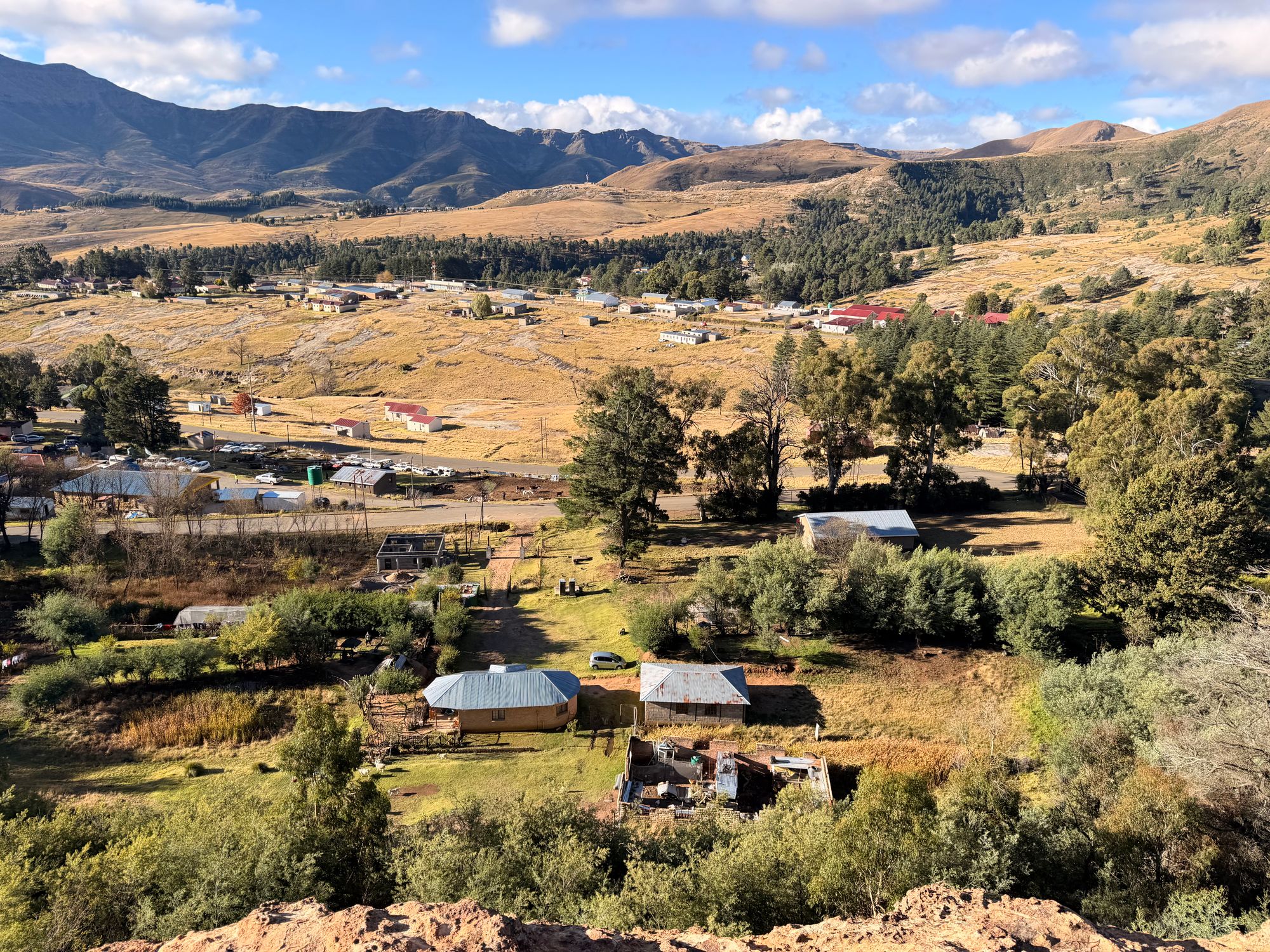
The Sani Pass is the gateway from South Africa into the Maluti highlands. The unpaved 4x4 track climbs from 1,544 m (5,066 ft) to 2,876 m (9,436 ft) over roughly 9 km, crossing the border at the summit. A robust 4x4 with high-clearance, low-range gearing, and a snorkel is essential; many operators require a vehicle with a minimum 30 mm ground clearance and a winch.
FlickLock-adjustable trekking poles (see Gear Recommendations) are a lifesaver on the steep switchbacks, allowing quick length changes when temperature swings affect snow depth. The descent into the Sani Top area is a classic 9-hour round-trip to Thabana Ntlenyana; the route is mostly well-marked but includes loose shale and basalt boulders that demand ankle support — enter the Salomon Quest 4 boots.
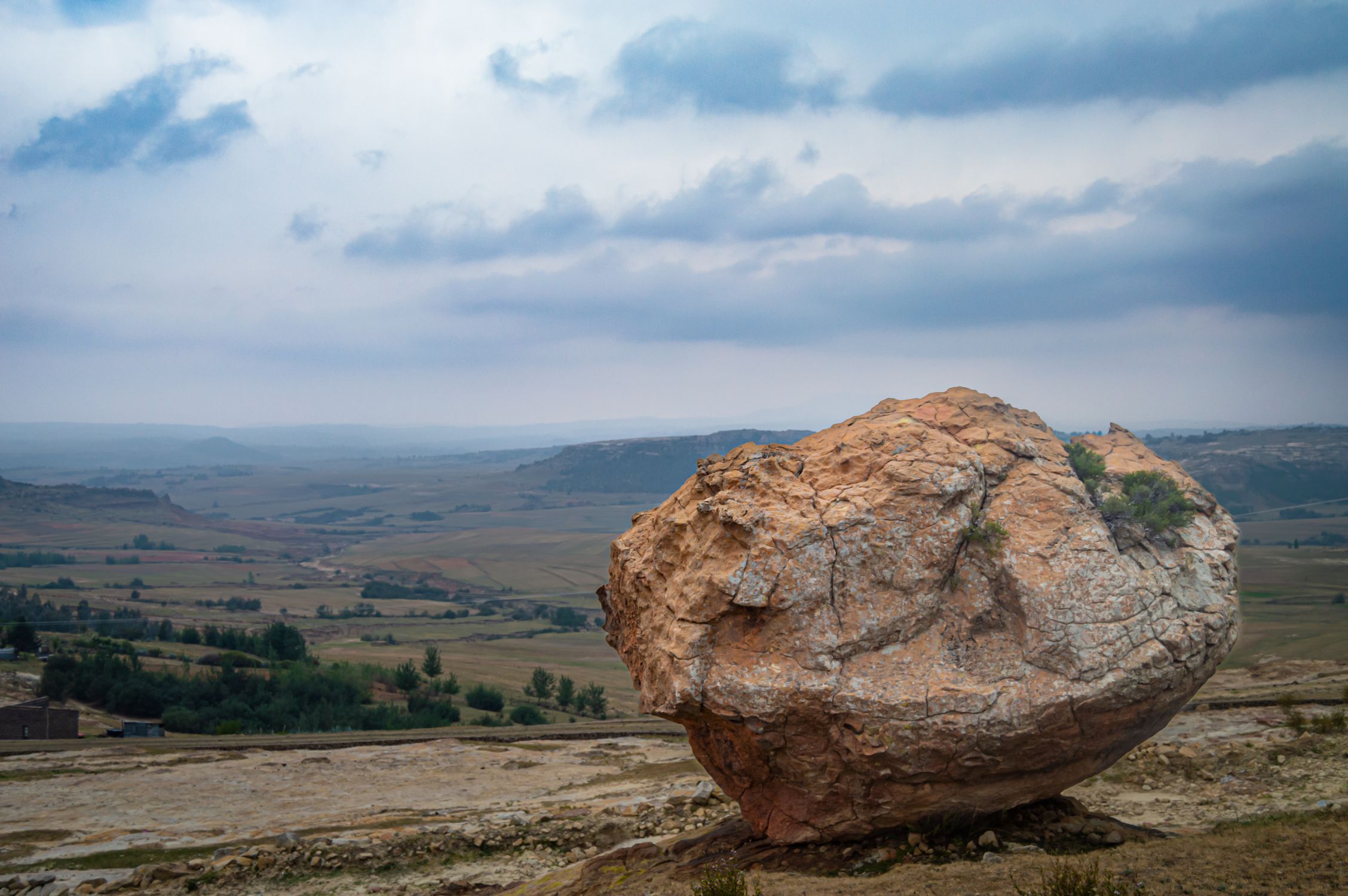
Once you crest the pass, the terrain opens to high-altitude valleys perfect for pony trekking. Basotho pony saddles can be hired in the nearby villages; most operators include a guide familiar with local routes and the etiquette of riding in highland communities. Remember, riding experience isn’t mandatory, but basic horsemanship — balanced seat, gentle rein cues, and awareness of the pony’s fatigue at altitude — is crucial for a safe trek.
Pony Trekking Essentials: Skill Ladder & Logistics
Pony trekking is the signature way to explore Lesotho’s highlands. Routes range from day-long rides (e.g., the Maletsunyane Falls trail) to multi-day pony-back treks across the Maluti plateau. Here’s how to match skill level to route length:
| Skill Tier | Typical Duration | Elevation Gain | Key Considerations |
|---|---|---|---|
| Beginner | 1-2 days | 200-400 m | Flat valley rides, short river fords, basic pony handling |
| Intermediate | 3-5 days | 600-1,200 m | Moderate ascents, overnight at Semonkong or Sani Top huts, basic navigation |
| Advanced | 6-10+ days | 1,500-2,500 m | High passes, night rides, self-sufficient camping above 2,500 m |
All pony treks start from a base camp (often a guesthouse in Maseru or a village near Semonkong) where you’ll receive a saddle, a basic first-aid kit, and a briefing on local customs. The Basotho pony is hardy, but at 3,000 m the thin air reduces stamina, so daily mileage should be limited to 15-20 km with regular water breaks.
Maletsunyane Falls is a highlight: the 192 m (630 ft) plunge is one of Africa’s highest single-drop waterfalls. The adjacent commercial abseil at 204 m is the world’s longest, and many pony-trek operators include a short descent for thrill-seekers. For river-crossing stability, the Black Diamond Trail Sport Trekking Poles provide a firm platform, especially when the trail turns into a wet shale slab after a sudden storm.

High-Altitude Highlights
Thabana Ntlenyana Summit
The 9-hour round-trip from Sani Top to the summit is a classic badge hike. Start early to catch the sunrise over the Maluti range; the view from 3,482 m offers a 360-degree panorama of Lesotho, South Africa, and the distant Drakensberg. The route is a mix of rocky scramble and steep grass-covered slopes. Your Salomon Quest 4 boots’ 4D Advanced Chassis midsole provides the torsional rigidity needed on basalt boulder fields, while the Contagrip MA outsole grips the wet grass that often blankets the summit in early mornings. Reference: Thabana Ntlenyana — Wikipedia.
Afriski Winter Playground
From June to August, Afriski becomes a high-altitude ski resort. The base lodge sits at 3,050 m, and the ski runs climb to 3,222 m at Mahlasela Pass. The resort’s Sky Restaurant lets you refuel at the highest elevation in Africa — perfect for a post-ski protein shake before a night-time ascent to a nearby hut. For full resort details, see Afriski — Wikipedia. If you choose to camp, the Mountain Hardwear Bishop Pass 15F/-9C Sleeping Bag handles the sub-zero night temps typical of Lesotho winter.
Maletsunyane Falls & Abseil
The falls drop 192 m into a mist-filled gorge and the adjacent 204 m commercial abseil is the world’s longest. The trail to the viewing platform is a moderate 4-km hike with a few stream crossings — ideal for a day-trip after a pony trek. The commercial abseil is a must-do for adrenaline junkies; most operators provide harnesses, but a personal helmet is recommended. The Black Diamond Trail Sport Trekking Poles help maintain balance on the slick rocks near the plunge pool. See the official Visit Lesotho — Maletsunyane Falls page for booking details and Maletsunyane Falls — Wikipedia for verified facts.
Gear Recommendations
Choosing gear that thrives above 2,500 m is non-negotiable. Below are the three verified products that have earned high marks from high-altitude trekkers in Lesotho.
Salomon Men’s Quest 4 GORE-TEX Hiking Boots
- ASIN: B0BKJKNGV5
- Price: $180-$230
- Why it works: The GORE-TEX membrane keeps feet dry during river crossings and sudden thunderstorms, while the 4D Advanced Chassis midsole offers the torsional rigidity needed on basalt boulder fields above 3,000 m. The Contagrip MA outsole grips wet grass and loose shale — common surfaces on the Sani Pass descent.
- Buy here: Amazon — Salomon Quest 4 Boots
Pros: Waterproof, excellent ankle support, durable on rocky terrain. Cons: Stiff break-in period (20-30 mi); heavier than trail runners, which can add fatigue on long summit rounds.
Black Diamond Trail Sport Trekking Poles — Pair
- ASIN: B0B78BQZFR
- Price: $65-$90
- Why it works: FlickLock adjustability works with gloves — critical when temperatures swing above 3,000 m. At 17.8 oz (500 g) per pair, they’re light enough to carry in a pony-saddle bag and collapse to 24 in for easy stowage. Ideal for switchback descents on Sani Pass and stream-crossing stability on the Maletsunyane Falls trail.
- Buy here: Amazon — Black Diamond Trekking Poles
Pros: Fast adjustment, lightweight, collapsible. Cons: Aluminum shafts are less stiff than carbon on sustained steep ground; foam grips can retain sweat odor on multi-day routes.
Mountain Hardwear Bishop Pass 15F/-9C Sleeping Bag — Unisex
- ASIN: B09F34GGMV
- Price: $180-$250
- Why it works: 650-fill down compresses to a size that fits alongside pony-trek kit in a 50 L pack. The 15 F comfort rating handles Lesotho winter nights at altitude without extra layers inside the bag. The shaped draft collar and down-filled face gasket seal out highland wind chill that can make effective temps feel far below the air temperature.
- Buy here: Amazon — Bishop Pass Sleeping Bag
Pros: Excellent warmth-to-weight ratio, compresses small, draft collar blocks wind. Cons: Down loses loft when wet; pair with a waterproof pack liner during the rainy season (Nov-Feb). Not rated for extreme cold of Afriski winter camping — upgrade to a 0 F bag for June-August summit trips.
Acclimatization, Health & Nutrition
Altitude sickness can derail even the most prepared trek. Follow the “climb high, sleep low” rule: limit daytime elevation gain to 300-500 m after 2,500 m, and spend a night at a lower altitude before pushing higher. Hydration is key — aim for 3-4 L of water daily, adding electrolytes to compensate for increased respiration.
Carbohydrate-dense meals (e.g., instant oatmeal, dried fruit, energy bars) fuel the high-intensity bursts required on steep basalt climbs. For protein, carry lightweight jerky or powdered whey that mixes with water.
Medical preparedness includes a basic first-aid kit, altitude sickness medication (acetazolamide), and a portable water filter — a standard item for high-altitude trekking that is widely available at outdoor retailers. Lesotho is malaria-free, but neighboring South Africa has pockets of risk; consult the CDC Travelers’ Health — Lesotho page for up-to-date vaccination recommendations before you travel.
Packing List & Weight Management
A typical 5-day pony-trek pack (50 L) should weigh no more than 12 kg (26 lb) excluding the pony’s tack. Below is a streamlined list:
- Footwear: Salomon Quest 4 boots (approximately 28 oz)
- Poles: Black Diamond Trail Sport (approximately 17.8 oz)
- Sleeping system: Mountain Hardwear Bishop Pass bag + lightweight bivy liner (if needed)
- Clothing: 3-layer system (base merino, fleece mid-layer, waterproof shell), insulated hat, gloves, and gaiters
- Navigation: Topo map, compass, GPS device (offline maps)
- Food: High-calorie freeze-dry meals, nuts, dried fruit, electrolyte tablets
- Hydration: 2 L insulated bottle + water filter
- Safety: Headlamp, spare batteries, whistle, multi-tool, personal locator beacon (PLB)
- Miscellaneous: Sunscreen, lip balm with SPF, sunglasses, trekking pole straps, dry-bag for electronics
Weight-saving tip: compress the down sleeping bag using a compression sack; it fits alongside pony-trek gear without compromising comfort. If camping above 2,500 m during June through August, upgrade to a 0 F sleeping bag — the Bishop Pass 15 F version is not rated for Afriski’s coldest overnight conditions during peak winter.
Related Reading
Get price-drop alerts and new guides from BoldTripGuide
One email a week: price drops on the gear we recommend, new guides, and what changed. No spam, unsubscribe anytime.