Hiking the World's Most Epic Trails on a Budget
How to tackle the world's greatest hiking trails without going broke, with specific costs, accommodation strategies, and money-saving tips for every route.
The world’s most spectacular trails do not charge admission based on your bank account. A sunrise over the Annapurna range looks exactly the same whether you spent $30 or $300 getting there. The real cost of long-distance hiking is not the trail itself — it is accommodation, food, permits, and the gear you carry. Get those right, and multi-day treks through some of the most beautiful landscapes on earth become surprisingly affordable.
This guide breaks down nine of the world’s greatest hiking trails with honest cost breakdowns, budget strategies, and accommodation options that keep expenses low without turning your trek into a suffer-fest.
 Photo by Bisesh Gurung on Pexels
1. Annapurna Circuit — Nepal
Distance: 160-230 km (depending on route variations) Duration: 12-21 days Total budget cost: $350-600
The Annapurna Circuit is widely considered the greatest long-distance trek on earth, and it happens to be in one of the cheapest trekking countries. The route circles the Annapurna massif, crossing the Thorong La pass at 5,416 meters, passing through subtropical forests, terraced farmland, arid high-altitude desert, and alpine meadows.
Permits and fees: ACAP permit ($30) and TIMS card ($20). These are mandatory and checked at multiple points along the route. Get them in Kathmandu at the Nepal Tourism Board office or in Pokhara at the ACAP office.
Accommodation: Teahouses line the entire route, offering basic private rooms with a bed and blankets for $3-8 per night. Most teahouses provide free accommodation if you eat meals there — a system that works well for budget trekkers. Rooms are simple: a bed, sometimes a pillow, and shared squat toilets. Bring a sleeping bag rated to 0 degrees Celsius for comfort at higher elevations.
Food: Teahouse meals cost $3-6 each. Dal bhat — the Nepali staple of rice, lentil soup, and vegetable curry with unlimited refills — is the best value at $4-5. Prices increase with altitude, so a meal that costs $3 at 1,500 meters might cost $6 at 4,500 meters. Bring snack bars and trail mix from Kathmandu to supplement.
Guide and porter: Not required. The trail is well-marked and teahouses are frequent enough that navigation is straightforward. If you want a guide, expect $25-35 per day including their food and lodging. Porters cost $15-25 per day and carry up to 30 kg.
Money-saving tip: Start early in the season (late September or early October) when teahouses are competitive for business. In November, at peak season, prices are firm. Also, fill water bottles from taps and use purification tablets ($5 for 50 tablets) instead of buying bottled water ($1-3 per liter at altitude).
2. Torres del Paine W Trek — Chile
Distance: 80 km Duration: 4-5 days Total budget cost: $150-350
The W Trek in Torres del Paine National Park delivers some of Patagonia’s most dramatic scenery: glacier-carved valleys, turquoise lakes, the Grey Glacier, and the iconic granite towers that give the park its name. The “W” shape refers to the trail pattern, hitting three main valleys — French Valley, Grey Glacier, and the Torres viewpoint.
Permits and fees: Park entrance fee is $38 for foreigners. Campsite reservations are mandatory and must be booked months in advance through the CONAF website. Free campsites (Italiano and Torres) fill up quickly — book as soon as the season opens, usually in June for the following November-March season.
Accommodation: The free campsites at Italiano and Torres cost nothing but require reservations. Paid campsites at Paine Grande, Los Cuernos, and Chileno run $10-15 per night for a tent spot. Refugios (mountain lodges) with bunk beds and meals cost $60-120 per night. The budget play is camping at free sites and cooking your own food.
Food: Bring all your food from Puerto Natales. The Unimarc supermarket in town has everything you need. Dehydrated meals, instant oatmeal, energy bars, nuts, and instant coffee pack light and provide adequate calories. Refugio meals cost $25-45 each, so self-catering saves hundreds over the trek.
Money-saving tip: Rent gear in Puerto Natales instead of buying. Erratic Rock hostel rents quality tents ($15/day), sleeping bags ($8/day), and cooking stoves ($5/day). Their daily 3pm gear talk is free and covers essential trail logistics.
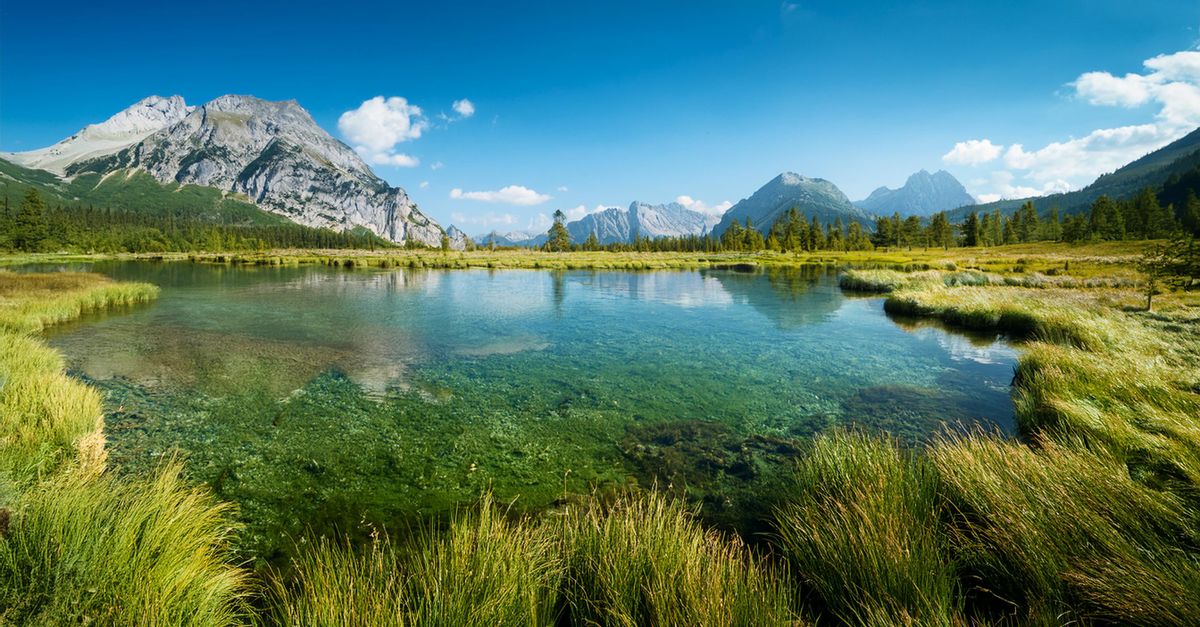 Photo by Yudha Dwiyoko Putra on Pexels
3. Tour du Mont Blanc — France, Italy, Switzerland
Distance: 170 km Duration: 7-11 days Total budget cost: $500-900
The Tour du Mont Blanc (TMB) circuits Western Europe’s highest peak through three countries, offering a greatest-hits tour of Alpine scenery. Glaciers, flower-filled meadows, dramatic passes, and charming mountain villages — it is everything people imagine when they think of hiking in the Alps.
Permits and fees: No permit required. The trail is free to hike. Some sections cross through reserves with specific rules, but there is no entry fee.
Accommodation: Mountain refuges (rifugios, refuges, hutten) along the route provide half-board (dinner and breakfast) for $50-80 per night. This is expensive by global trekking standards but standard for the Alps. The budget alternative is camping. Wild camping is technically illegal in much of the TMB area, but designated campgrounds in the valley towns cost $10-20 per night. Pitch your tent in Chamonix, Courmayeur, or Champex-Lac and day-hike sections of the TMB to cut accommodation costs dramatically.
Food: Refuge half-board includes a multi-course dinner and breakfast that fuels long days. If camping, stock up at supermarkets in the valley towns. Eating at restaurants in the mountain villages costs $15-30 per meal.
Money-saving tip: Hike counterclockwise. Most guided groups go clockwise, so going the other direction means quieter refuges, easier booking, and occasionally better rates. Also, start or finish in Courmayeur (Italy) rather than Chamonix (France) — Italian accommodation and food are 20-30 percent cheaper.
4. Salkantay Trek to Machu Picchu — Peru
Distance: 72 km Duration: 4-5 days Total budget cost: $80-250
The Salkantay Trek is the best alternative to the overcrowded and expensive Inca Trail. It passes directly under the glaciated peak of Salkantay (6,271m), through cloud forests, past coffee plantations, and arrives at Machu Picchu from the back door. The scenery is arguably more dramatic than the Inca Trail, and the cost is a fraction.
Permits and fees: No trekking permit required for the Salkantay route, unlike the Inca Trail which costs $300+ and must be booked months in advance. Machu Picchu entry is $50 for foreigners (book in advance online). The train from Aguas Calientes back to Cusco costs $30-80 depending on class and timing.
Accommodation: Basic campsite lodges along the route charge $5-10 per night for a bed in a shared room. Camping with your own tent is free in most areas. Some trekkers carry a tent for the first three nights and stay in a hostel in Aguas Calientes for the Machu Picchu visit ($10-20).
Food: If trekking independently, buy food in Cusco before departing. Small shops along the route sell snacks and basic supplies at inflated prices. Simple meals at trailside lodges cost $4-8. In Aguas Calientes, menu del dia lunches run $3-5 at local restaurants off the main tourist strip.
Money-saving tip: Do this trek independently rather than with a guided group. Guided Salkantay treks cost $200-400 per person and follow the same route you can walk yourself with a $2 printout from the tourism office in Cusco. The trail is well-marked, and other trekkers are always around for navigation reference.
 Photo by Himanshu Raj on Pexels
5. Overland Track — Tasmania, Australia
Distance: 65 km Duration: 5-6 days Total budget cost: $150-280
Tasmania’s Overland Track traverses Cradle Mountain-Lake St Clair National Park through ancient rainforest, button grass moorlands, and past glacial lakes surrounded by dolerite peaks. It is widely considered Australia’s finest multi-day walk and one of the best temperate-climate treks in the world.
Permits and fees: A parks pass ($40 per person per trip) and an Overland Track booking fee ($200 during peak season from October to May) are required. The booking system opens in July each year and popular dates sell out quickly. Outside of peak season (June to September), the booking fee drops to $80 but weather becomes significantly more challenging.
Accommodation: Basic huts with sleeping platforms, pit toilets, and rainwater tanks are spaced along the route. They are free with your permit — no need to carry a tent unless you want the flexibility to camp at side-trip locations. The huts are first-come, first-served, so carrying a lightweight tent as backup is wise during peak season. Camping platforms exist near each hut.
Food: Bring all food from Launceston or Devonport. There are no resupply points along the trail. Dehydrated meals are the standard. Budget about $15-20 per day for food if you prep wisely — oats, trail mix, salami, cheese, and lightweight dinners.
Money-saving tip: Hike in November or early December. The weather is often better than in January and February, wildflowers are blooming, and you avoid the peak-season crowds. Also, the Launceston YHA hostel ($25/night) is a great base for pre- and post-trek nights, with a gear drying room.
6. Fitz Roy Trek — El Chalten, Argentina
Distance: Variable (day hikes of 10-25 km from town) Duration: 3-7 days of day hikes Total budget cost: $100-250
El Chalten is unique among the world’s great trekking destinations: you do not need a tent, a guide, or a permit. The town sits at the base of the Fitz Roy massif, and all major trails start from the village edge. You hike out in the morning, reach spectacular viewpoints, and return to town for a hot shower and a steak dinner.
Permits and fees: Free. No permits, no entry fees, no mandatory guides. The Argentine government designated El Chalten as the national trekking capital and kept access completely open.
Accommodation: Hostels in town start at $12-18 per night for dorm beds. Private rooms run $25-45. Most hostels have communal kitchens, which is essential because restaurant meals in Patagonia cost $15-25. Free backcountry camping is available at Poincenot (base of Fitz Roy), De Agostini (base of Cerro Torre), and other designated sites. These campsites have pit toilets and water sources but nothing else.
Food: Stock up at the La Anonima supermarket before arriving — El Chalten’s small shops charge premium prices. Pasta, sauce, bread, cheese, and facturas (Argentine pastries) from the local bakery make excellent trail food. The bakeries in town are genuinely good and cheap.
Money-saving tip: Take the overnight bus from Buenos Aires to El Chalten (24 hours, $40-60 in semi-cama class). It saves a night of accommodation and the Ruta 40 scenery through Patagonia is beautiful. Pack food from Buenos Aires supermarkets before you leave.
 Photo by Lauri Poldre on Pexels
7. GR20 — Corsica, France
Distance: 180 km Duration: 12-16 days Total budget cost: $400-700
The GR20 is often called the toughest long-distance trail in Europe, and it earns the reputation. The route traverses Corsica’s mountainous spine from Calenzana in the north to Conca in the south, climbing through granite peaks, cirque lakes, and dramatic ridgelines. Total elevation gain over the full route exceeds 13,000 meters.
Permits and fees: No permit required. The trail is free.
Accommodation: Staffed refuges along the route charge $15-20 per night for a bunk. Camping next to a refuge costs $8-12 and includes access to water and toilets. Half-board (dinner and breakfast) at refuges costs $35-50 and is worth it for the weight savings on food you do not have to carry.
Food: Refuge meals are hearty Corsican fare — charcuterie, cheese, polenta, and stews. Carrying your own food is cheaper but adds significant weight on a trail with this much climbing. Most hikers compromise: carry lunch and snacks, eat breakfast and dinner at refuges. Budget $20-30 per day for refuge meals, or $10-15 if cooking for yourself.
Money-saving tip: Hike the southern half only (Vizzavona to Conca, 7-8 days). The south is generally considered slightly easier, and the scenery is equally spectacular. This halves your accommodation and food costs while still giving you a legitimate GR20 experience.
8. Laugavegur Trail — Iceland
Distance: 55 km Duration: 3-4 days Total budget cost: $200-400
The Laugavegur Trail between Landmannalaugar and Thorsmork crosses a landscape that looks like it belongs on another planet. Rhyolite mountains in sherbet colors, active geothermal areas, black sand deserts, glacier rivers, and green valleys — the visual diversity compressed into 55 kilometers is unlike any other trail on earth.
Permits and fees: No permit required. Hut fees are $55-65 per night if you stay in the mountain huts (book through FI, the Iceland Touring Association). Campsite fees at the hut locations run $15-20 per night.
Accommodation: The four mountain huts along the route (Hrafntinnusker, Alftavatn, Hvanngil, and Emstrur) are comfortable but expensive by global standards. Each has sleeping bag space, cooking facilities, and a warden. Camping next to the huts is the budget option — you get access to the cooking shelter and toilets at a fraction of the cost. Bring a four-season tent and be prepared for strong winds.
Food: No food is available on the trail. Bring everything from Reykjavik. The Bonus and Kronan supermarkets have the best prices. Dehydrated meals, rye bread, cheese, chocolate, and instant noodles are the Laugavegur staples.
Money-saving tip: Take the public bus from Reykjavik to Landmannalaugar ($35-45) and from Thorsmork back ($30-40) instead of expensive private transfers ($70-100 each way). Book bus tickets through Trex or Reykjavik Excursions. Also, bring a gas stove — the hut cooking shelters have stoves but gas canisters cost $15+ in Iceland versus $5-8 purchased elsewhere.
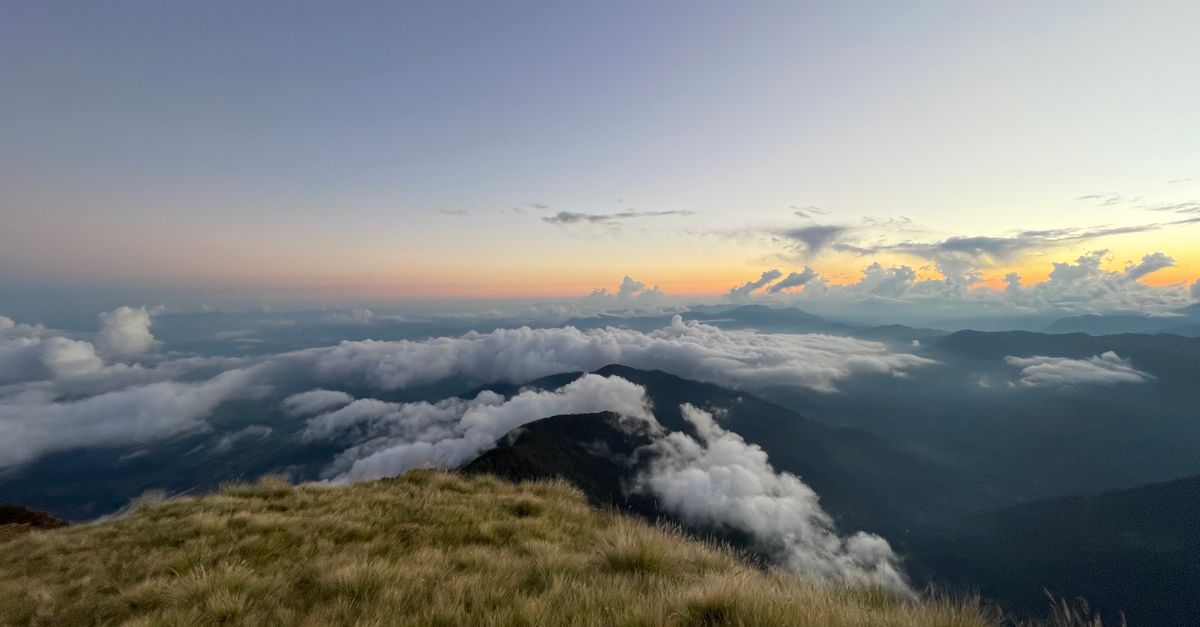 Photo by Sujeet Regmi on Pexels
9. Mount Rinjani, Lombok — Indonesia
Distance: 30-46 km (depending on route) Duration: 2-4 days Total budget cost: $60-180
Mount Rinjani is the second-highest volcano in Indonesia and one of the most rewarding multi-day hikes in Southeast Asia. The standard route climbs from Senaru to the crater rim at 2,641 meters, then descends to the stunning crater lake, Segara Anak, with its natural hot springs. The full summit push to 3,726 meters is one of the most dramatic sunrise experiences in the hiking world.
Permits and fees: Park entrance fee is $15 per person. A guide is mandatory (since 2019) and the Rinjani Trek Management Board organizes group treks. A 3-day/2-night group trek with guide, porter, tent, food, and transport from Senaru costs $80-150 per person depending on group size.
Accommodation: Pre- and post-trek, Senaru village has homestays for $8-12 per night. On the mountain, camping is the only option. Organized treks provide tents, sleeping mats, and all cooking equipment. Tents are pitched at the crater rim camp (night one) and by the lake (night two on longer treks).
Food: Organized treks include all meals, and the guides are excellent cooks. Fresh-cooked rice, vegetables, eggs, and noodles at a camp on a volcanic crater rim is one of the great experiences of budget trekking. Pre-trek meals in Senaru cost $2-4.
Money-saving tip: Form your own group of 4-6 people at the hostels in Senggigi or the Gili Islands. Larger groups significantly reduce the per-person price for the mandatory guided trek. Weekdays are cheaper than weekends.
General Budget Hiking Tips
These strategies apply to almost every trail on this list:
-
Carry a water filter or purification tablets. Bottled water on trails costs 3-10 times what it costs in town. A Sawyer Squeeze filter ($30, lasts years) pays for itself in one trek.
-
Ship or check gear instead of renting. If you own a tent, sleeping bag, and stove, bringing them is almost always cheaper than renting at the destination, especially for treks longer than three days.
-
Eat like a local. On trails with lodges or teahouses, the local staple meal (dal bhat, polenta, stew) is always cheaper, more filling, and usually tastier than the Western menu options.
-
Go in shoulder season. The first and last weeks of trekking season offer nearly identical conditions to peak season with lower prices, fewer people, and easier bookings.
-
Download offline maps. The AllTrails and Maps.me apps work offline and eliminate the need for expensive paper guidebooks in most destinations. Download the trail before you lose signal.
The world’s greatest trails are open to anyone willing to walk them. The only real cost is time — and the best investment you can make is spending more of it on the trail and less of it worrying about what it costs. Pack smart, eat simple, sleep in a tent when you can, and let the mountains do what mountains do best: make everything else seem unimportant.
Get the best ThrillStays tips in your inbox
Weekly guides, deals, and insider tips. No spam, unsubscribe anytime.