20 Hiking Trails That Should Be on Every Adventurer's Bucket List
From the Inca Trail to the Tour du Mont Blanc, explore the world's most spectacular hiking trails across six continents.
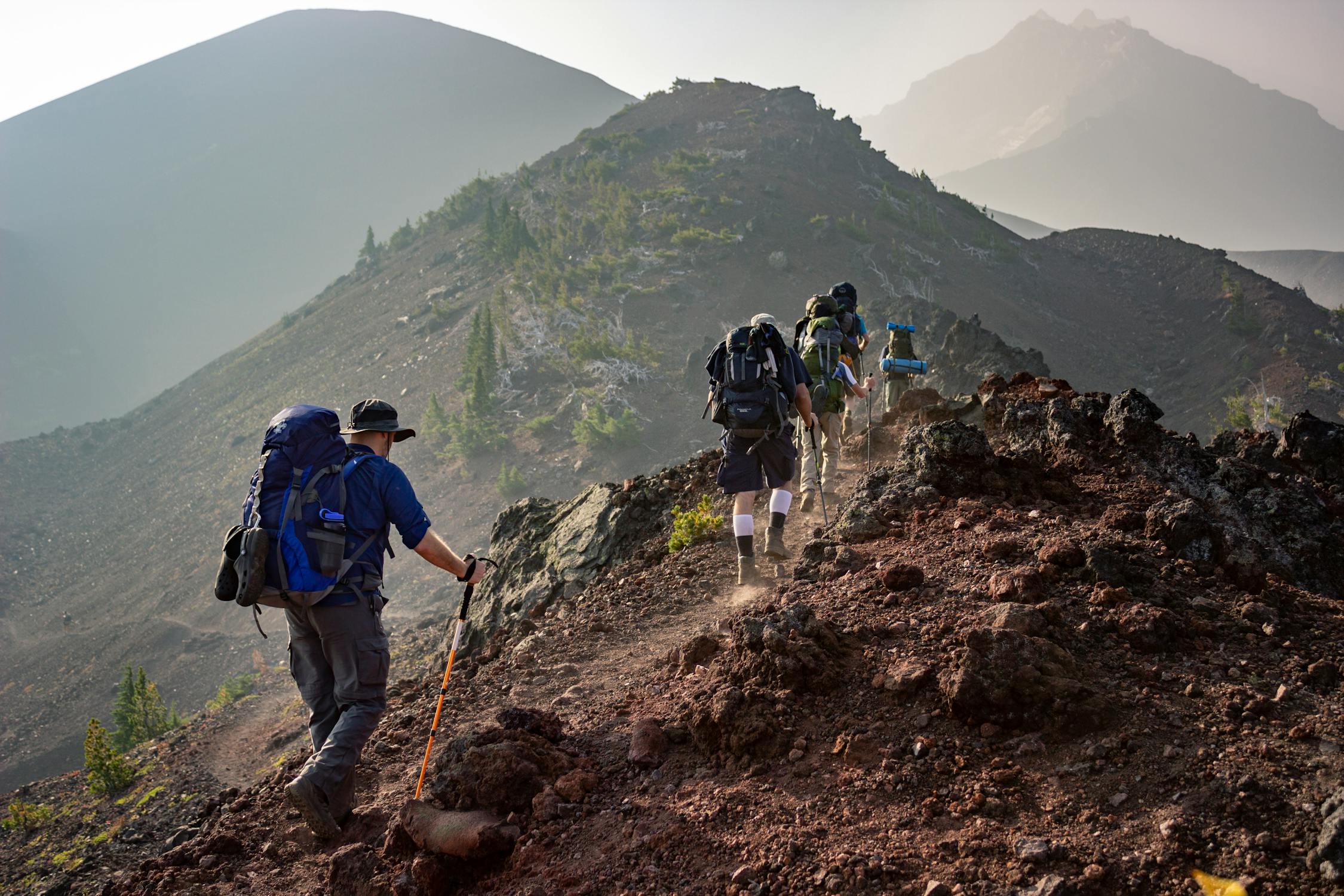
The world’s greatest hiking trails offer more than just exercise—they’re journeys through history, culture, and some of the planet’s most awe-inspiring landscapes. Whether you’re seeking alpine meadows, ancient ruins, or remote wilderness, these 20 trails represent the pinnacle of trekking experiences across six continents.
Epic Multi-Day Treks
1. Inca Trail to Machu Picchu, Peru
Distance: 26 miles (42 km) Duration: 4 days Difficulty: Moderate to Challenging
The classic Inca Trail combines Incan archaeology, cloud forest, and alpine passes culminating in the iconic Sun Gate sunrise view of Machu Picchu. This isn’t just a hike—it’s a pilgrimage through history.
Highlights: Dead Woman’s Pass (13,828 ft), stunning ruins at Wiñay Wayna, arrival at Machu Picchu through the Sun Gate at dawn.
Best Time: May-September (dry season). The trail closes in February for maintenance.
Permits: Required and limited to 500 people daily (including guides and porters). Book 6+ months in advance.
Cost: $500-800 for guided treks (required). Includes permits, porters, meals, and camping equipment.
2. Tour du Mont Blanc, France/Italy/Switzerland
Distance: 110 miles (170 km) Duration: 10-12 days Difficulty: Moderate to Challenging
Circumnavigate Western Europe’s highest peak through three countries, crossing ten passes and experiencing the Alps’ cultural diversity. Each day brings new languages, cuisines, and stunning mountain vistas.
Highlights: Italian Val Ferret, Grand Col Ferret, Lac Blanc with Mont Blanc reflections, charming alpine villages.
Best Time: Late June-September. July-August offers the most reliable weather but biggest crowds.
Accommodation: Mix of mountain refuges (€50-80/night including dinner) and hotels in valley towns. Book refuges months ahead.
Cost: €1,200-2,000 including accommodation, meals, and transportation back to starting point.
3. Torres del Paine W Trek, Chile
Distance: 50 miles (80 km) Duration: 4-5 days Difficulty: Moderate
Patagonia’s most famous trek delivers jaw-dropping granite towers, turquoise lakes, massive glaciers, and the chance to spot guanacos and condors. The W-shaped route hits all the park’s highlights.
Highlights: Base of the Torres viewpoint at sunrise, French Valley glacier views, Grey Glacier.
Best Time: October-April (Southern Hemisphere summer). December-February offers longest days but strongest winds.
Accommodation: Refugios or camping. Book refugios 6+ months ahead ($130-180/night with meals).
Cost: $800-1,500 depending on accommodation choices and whether you join guided groups.
 Photo by Tobias Bjørkli on Pexels
4. Everest Base Camp Trek, Nepal
Distance: 80 miles (130 km) round trip Duration: 12-14 days Difficulty: Challenging
Stand at the foot of the world’s highest mountain while experiencing Sherpa culture in the Khumbu Valley. The trek combines high-altitude challenge with Buddhist monasteries, prayer flags, and incredible Himalayan panoramas.
Highlights: Namche Bazaar market town, Tengboche Monastery, sunrise from Kala Patthar (18,519 ft), Everest Base Camp (17,598 ft).
Best Time: March-May and September-November. Spring brings rhododendron blooms; autumn offers clearest skies.
Acclimatization: Essential. Plan rest days in Namche and Dingboche. Altitude sickness is a serious risk.
Cost: $1,200-2,000 for independent trekking (permits, lodges, meals). Guided packages run $2,500-4,000.
5. Kungsleden (The King’s Trail), Sweden
Distance: 270 miles (440 km), typically hiked in sections Duration: 3-4 weeks for complete trail; most do 7-10 day sections Difficulty: Moderate
Above the Arctic Circle, this trail showcases Swedish Lapland’s wild beauty—glacial valleys, alpine meadows, birch forests, and Sami culture. The midnight sun or autumn colors provide magical backdrops.
Highlights: Kebnekaise (Sweden’s highest peak) side trip, Tjäktja Pass, Sälka hut (one of Europe’s most remote), reindeer encounters.
Best Time: Late June-September. July offers midnight sun; September brings autumn colors and fewer mosquitoes.
Accommodation: Mountain huts (fjällstugor) spaced 12-20 km apart (€30-50/night). Some sections require camping.
Cost: $800-1,200 for 10-day section including hut stays, food, and transportation.
6. GR20, Corsica, France
Distance: 112 miles (180 km) Duration: 15 days Difficulty: Very Challenging
Europe’s toughest long-distance trail traverses Corsica’s mountainous spine from north to south. Technical terrain, significant elevation gain, and remote wilderness make this a serious undertaking.
Highlights: Monte Cinto views, Cirque de la Solitude (technical scrambling), mountain lakes, Corsican pine forests.
Best Time: June-September. July-August brings crowds and heat; June and September offer solitude.
Fitness Required: High. Daily elevation gains of 3,000-5,000 feet with technical scrambling sections.
Cost: €700-1,200 including refuge stays (required for most sections), food, and transfers.
Challenging Day Hikes and Weekend Trips
7. Half Dome, Yosemite National Park, USA
Distance: 14-16 miles (23-26 km) round trip Duration: 12-14 hours Difficulty: Very Challenging
The iconic cable route to Half Dome’s summit offers 360-degree Yosemite views after 4,800 feet of elevation gain. The final 400-foot cable ascent tests your nerve and upper body strength.
Highlights: Vernal and Nevada Falls, Liberty Cap views, summit panorama of Yosemite Valley and High Sierra.
Best Time: May-October when cables are up. July-August offers the most reliable weather.
Permits: Required via lottery ($10 application + $10 per person). Apply in March for summer dates.
Pro Tip: Start before dawn (3-4 AM) to avoid afternoon thunderstorms and crowds at the cables.
Photo by Krivec Ales on Pexels
8. Mount Kilimanjaro, Tanzania
Distance: 35-50 miles depending on route Duration: 5-9 days Difficulty: Challenging (primarily due to altitude)
Africa’s highest peak (19,341 ft) is achievable without technical climbing skills, but the altitude makes this a serious challenge. The trek passes through five climate zones from rainforest to arctic summit.
Routes: Machame (6-7 days, most scenic), Lemosho (7-8 days, highest success rate), Marangu (5-6 days, only hut option).
Best Time: January-March and June-October (dry seasons).
Success Rate: 65-85% depending on route and acclimatization schedule. Longer routes significantly improve odds.
Cost: $2,000-5,000 depending on route, group size, and operator. Includes guides, porters, park fees, all meals, and equipment.
9. Milford Track, New Zealand
Distance: 33 miles (53 km) Duration: 4 days Difficulty: Moderate
Called “the finest walk in the world,” this Great Walk traverses Fiordland’s pristine wilderness—glacial valleys, rainforests, waterfalls, and mountain passes. Strict hut bookings ensure a wilderness experience.
Highlights: Clinton Valley rainforest, Mackinnon Pass (highest point), Sutherland Falls (1,904 ft drop), sandflies (okay, not a highlight).
Best Time: November-April (New Zealand summer). Book huts up to 12 months ahead—they fill within minutes of opening.
Cost: NZ$300-400 for hut passes plus transportation ($150-200). Guided walks cost NZ$2,500-3,000 all-inclusive.
10. Laugavegur Trail, Iceland
Distance: 34 miles (55 km) Duration: 4 days Difficulty: Moderate
Iceland’s premier trek showcases the island’s volcanic otherworldliness—rhyolite mountains, geothermal areas, black sand deserts, and glacial rivers. The landscape feels extraterrestrial.
Highlights: Landmannalaugar geothermal pools (perfect for start/end soaks), colorful rhyolite peaks, Þórsmörk valley.
Best Time: July-early September. Outside this window, weather is extreme and huts are closed.
River Crossings: Several potentially dangerous glacial river crossings. Most hikers go guided or wait for groups to cross together.
Cost: €400-600 for hut accommodation, food, and bus transfers. Guided tours run €1,200-1,800.
More Bucket List Trails
11. West Highland Way, Scotland
Distance: 96 miles (154 km) Duration: 6-8 days Difficulty: Moderate
Scotland’s most popular long-distance trail runs from the outskirts of Glasgow to Fort William, passing through Loch Lomond & The Trossachs National Park and crossing Rannoch Moor’s vast wilderness.
Highlights: Loch Lomond shores, Glencoe views, Rannoch Moor’s desolate beauty, Ben Nevis backdrop at trail’s end.
Best Time: May-September. Scottish weather is notoriously unpredictable; rain gear is mandatory year-round.
Accommodation: Mix of B&Bs, hostels, and hotels in towns along route (£30-80/night).
12. Annapurna Circuit, Nepal
Distance: 128 miles (206 km) Duration: 15-20 days Difficulty: Challenging
This classic trek circles the Annapurna Massif, crossing the Thorong La Pass (17,769 ft) while passing through diverse landscapes and cultures from subtropical valleys to high-altitude desert.
Highlights: Thorong La Pass crossing, Muktinath temple, varied ethnic communities, Annapurna and Dhaulagiri views.
Best Time: March-May and October-November. Spring brings wildflowers; autumn offers clearest skies.
Route Changes: Road construction has altered parts of the trek. Research current conditions and consider starting at Dharapani to skip road sections.
13. The Narrows, Zion National Park, USA
Distance: 16 miles (26 km) top-down or 9.4 miles bottom-up Duration: Full day or overnight Difficulty: Moderate
Wade through the Virgin River between towering canyon walls up to 2,000 feet high. This isn’t traditional hiking—you’ll spend most of the time in the river, sometimes waist-deep.
Highlights: Wall Street (narrowest section), cascades and waterfalls, unique slot canyon perspective.
Best Time: June-October. Check flash flood forecasts—never hike if rain is predicted upstream.
Gear: Rent canyoneering boots, neoprene socks, and walking stick from Springdale shops ($50-60). Dry bags for camera gear.
 Photo by Simon Matzinger on Pexels
14. Overland Track, Tasmania, Australia
Distance: 40 miles (65 km) Duration: 6 days Difficulty: Moderate to Challenging
Tasmania’s premier alpine trek traverses World Heritage wilderness from Cradle Mountain to Lake St. Clair, showcasing the island’s unique ecology and dramatic mountain landscapes.
Highlights: Cradle Mountain summit side trip, Barn Bluff, pristine alpine lakes, ancient rainforest, endemic wildlife.
Best Time: November-April (Tasmanian summer). Weather changes rapidly; prepare for all conditions.
Permits: Required October-May, booked months in advance (AUD$250). Hut accommodation included.
15. Fitz Roy Trek, Argentina
Distance: 20-25 miles (32-40 km) Duration: 2-3 days Difficulty: Moderate
Base yourself in El Chaltén for day hikes to Laguna de los Tres (Fitz Roy viewpoint) and Laguna Torre, or combine both in a multi-day circuit. Patagonian granite spires provide dramatic backdrops.
Highlights: Fitz Roy sunrise from Laguna de los Tres, Cerro Torre’s ice mushroom, Laguna Capri camping, condor sightings.
Best Time: November-March (Southern Hemisphere summer). December-February offers longest days but strongest winds.
Town Base: El Chaltén offers hostels ($15-30/night), hotels ($60-120/night), and excellent restaurants.
16. Snowman Trek, Bhutan
Distance: 217 miles (350 km) Duration: 25-30 days Difficulty: Extreme
One of the world’s most difficult treks crosses 11 passes over 15,000 feet in remote Bhutan. Only about 1,000 people have completed this trek since it opened.
Highlights: Pristine Himalayan wilderness, remote villages, yak herders, 7,000m peaks, Buddhist culture.
Best Time: September-October (post-monsoon). Weather windows are narrow and unpredictable.
Cost: $8,000-12,000 including Bhutan’s required daily tourist fee ($200-250/day), guides, porters, all logistics.
17. John Muir Trail, California, USA
Distance: 211 miles (340 km) Duration: 18-25 days Difficulty: Challenging
Follow John Muir’s footsteps through the High Sierra from Yosemite Valley to Mount Whitney (14,505 ft), the Lower 48’s highest peak. This is wilderness hiking at its finest.
Highlights: Yosemite Valley, Thousand Island Lake, Evolution Valley, Forester Pass (13,200 ft), Mount Whitney summit.
Best Time: July-September. Snow lingers on high passes into July; come prepared for snow travel if going early season.
Permits: Notoriously difficult to obtain. Enter permit lottery in February or get walk-up permits.
Resupply: Mail food boxes to Muir Trail Ranch, Red’s Meadow, and other waypoints, or buy in towns.
18. Salkantay Trek, Peru
Distance: 46 miles (74 km) Duration: 5 days Difficulty: Moderate to Challenging
An alternative to the Inca Trail reaching Machu Picchu, the Salkantay Trek passes beneath the glacier-clad Salkantay Peak (20,574 ft) and descends through cloud forest to the Sacred Valley.
Highlights: Salkantay Pass (15,213 ft), Humantay Lake side trip, cloud forest biodiversity, hot springs, Machu Picchu finale.
Best Time: April-October (dry season). May-September offers most reliable weather.
Cost: $250-500 for guided treks (highly recommended). Independent hiking is possible but logistically complex.
19. Routeburn Track, New Zealand
Distance: 20 miles (32 km) Duration: 2-3 days Difficulty: Moderate
Linking Mount Aspiring and Fiordland National Parks, the Routeburn showcases New Zealand’s Southern Alps—alpine meadows, mountain tarns, beech forests, and expansive views.
Highlights: Key Summit panorama, Harris Saddle, Routeburn Falls, Lake Mackenzie, native birds like kea and fantails.
Best Time: November-April (Great Walks season). Book huts 6-12 months ahead.
Cost: NZ$130-160 for hut passes plus transportation. Guided walks available for NZ$2,000-2,500.
20. Cinque Terre Coastal Trail, Italy
Distance: 7.5 miles (12 km) Duration: 5-7 hours Difficulty: Easy to Moderate
Connect five colorful fishing villages along the Italian Riviera’s dramatic coastline. This trail combines hiking with culture, food, wine, and Mediterranean views.
Highlights: Vernazza harbor views, cliffside vineyards, pesto in its birthplace, swimming breaks in Mediterranean coves.
Best Time: April-May and September-October. Summer brings crowds and heat. Some trail sections periodically close for maintenance.
Pass: Cinque Terre Card (€7.50/day) covers trail access and trains between villages.
Base: Stay in one village and day-hike to others, using trains to return. Vernazza and Manarola are most scenic.
Planning Your Trek
Fitness Preparation: Start training 3-6 months before major treks. Focus on cardio endurance, elevation gain hikes, and hiking with weighted pack.
Gear Essentials: Quality hiking boots (broken in), layering system, rain gear, first aid kit, water purification, navigation tools.
Altitude: For high-altitude treks (Everest Base Camp, Kilimanjaro, etc.), build in acclimatization days. Diamox can help but doesn’t replace proper acclimatization.
Leave No Trace: Pack out all trash, stay on trails, camp in designated areas, respect wildlife and local cultures.
Travel Insurance: Get coverage that includes helicopter evacuation for remote treks. It’s essential.
These 20 trails represent the best hiking experiences our planet offers—from day hikes to month-long expeditions, from tropical jungles to arctic tundra. Each trail promises not just physical challenge but also profound connections with nature, culture, and the global hiking community.
Start planning your trekking bucket list today. Your boots are ready to make memories on trails around the world.
Get the best ThrillStays tips in your inbox
Weekly guides, deals, and insider tips. No spam, unsubscribe anytime.