Best Merino Base Layers for Men in Adventure Travel 2026
Explore the top merino base layers for men—weight, micron, and blend breakdowns, plus pros, cons, and price points for every adventure in 2026.

This post may contain affiliate links. Disclosure
Adventure travelers know that the first layer is the foundation of every successful expedition. Whether you’re sprinting up a glacier, paddling a cold-water surf break, or logging miles on a multi-day overland trek, a merino base layer must balance weight, warmth, durability, and odor resistance — all without adding bulk. In 2026 the market offers six proven options, each with a distinct gram-per-square-meter (gsm) rating, micron count, and blend formula that directly impacts performance. Below we break down the specs, match each shirt to a specific adventure style, and give you the price ladder from budget-friendly to premium, so you can pack one layer that survives a 14-day grind from desert sunrise to alpine nightfall.
Short answer: Merino base layers are specified by three numbers: fabric weight in grams per square metre, fibre diameter in microns, and the synthetic blend percentage. Woolmark research shows merino absorbs up to 35% of its own weight in moisture while still feeling dry, which is why it outperforms synthetics on multi-day wear.
Why Merino Wool Still Dominates Base Layers
Merino’s reputation isn’t hype; it’s backed by hard data. The Woolmark Company’s research shows merino fibers absorb up to 35 % of their own weight in moisture while feeling dry to the touch, a property that synthetic fibers can’t match because they trap sweat on the surface. In a multi-day wear test conducted by AgResearch New Zealand and Consumption Research Norway (SIFO), merino outperformed polyester and cotton in odor resistance, meaning you can go days without a wash — a critical advantage on long expeditions where laundry is a luxury.
The broader market reflects that shift. Outdoor participation in the United States hit a record 181.1 million in 2024, a 3 % rise from the previous year, with hiking alone drawing 63.4 million enthusiasts. That surge fuels demand for high-performance base layers, and the global merino apparel market is projected to grow from US$4.61 billion in 2024 to US$5.74 billion by 2033. Meanwhile, the overall outdoor apparel market is on track for a 5.5 % CAGR through 2034, driven largely by technical base layers that promise temperature regulation and natural odor control. UV-protection outdoor performance apparel adoption has risen 58 % as athletes log more hours at altitude.
Weight, Micron and Blend: Decoding the Specs
| Spec | What It Means | Typical Use |
|---|---|---|
| gsm (grams per square meter) | Fabric density; higher gsm = more warmth, more weight. | 150 gsm = lightweight aerobic activities; 260 gsm = cold-weather camp wear. |
| Micron | Fiber diameter; lower numbers = softer, less itch. | 18.5 µm = premium softness; 18.9 µm = still very comfortable for sensitive skin. |
| Merino-Nylon Blend | Nylon adds abrasion resistance and reduces pilling; pure merino maximizes temperature regulation. | 84 % merino / 16 % nylon = durable for rugged use; 100 % merino = ultimate softness and odor control. |
Understanding these three variables lets you map a shirt to a specific activity. For high-output climbing or ski-touring where breathability is king, a 150-gsm blend with a nylon core (e.g., Smartwool Merino 150) keeps you cool and durable. For static, low-output scenarios like bivouac nights or static belaying, a 260-gsm pure merino (Icebreaker 260 Tech) traps heat without the need for a mid-layer.
Matching Base Layer to Adventure Type
- High-Intensity Alpine Ascents — You’ll be generating heat, so a lightweight, moisture-wicking layer with a nylon reinforcement prevents snagging on ropes.
- Cold-Weather Overlanding and Winter Camping — Warmth outweighs breathability; a heavyweight pure merino with forward side seams reduces pressure points under a harness.
- All-Season Multi-Sport Trips — A mid-weight, slim-fit shirt with gusseted underarms offers enough range of motion for climbing, paddling, and hiking without bulk.
- Budget-Conscious Long-Haul Treks — Look for 100 % merino at a mid-gsm rating that balances cost and performance, and choose a brand with a wide size range to avoid fit compromises.
Below is the curated roundup, ordered from entry-level price to premium, with each product’s specs, ideal use case, and a quick pros/cons snapshot.
Top Merino Base Layers for Men in 2026
Smartwool Merino 150 Base Layer Long Sleeve

- ASIN: B0BXGS5L83
- Price: $75-90
- Fabric: 150 g/m²; 87 % Merino Wool, 13 % Nylon core-spun
- Garment weight: ~133 g (4.7 oz)
- Key features: UPF 50+, flatlock seams, lightweight construction
- Best for: High-output warm-weather adventures and shoulder-season travel where breathability tops warmth.
- Pros:
- Lightest option in the lineup — ideal for trail running, ski-touring uphill, and fast-pack climbs.
- Nylon core adds durability without sacrificing next-to-skin softness.
- Natural odor resistance lasts multiple days of hard use.
- Cons:
- 150 gsm is too thin for static belaying or sub-freezing camp mornings; you’ll need a mid-layer.
- Limited warmth in below-freezing alpine conditions.
Buy on Amazon | Smartwool Merino 150 Collection
Ridge Merino Aspect Midweight Base Layer Long Sleeve
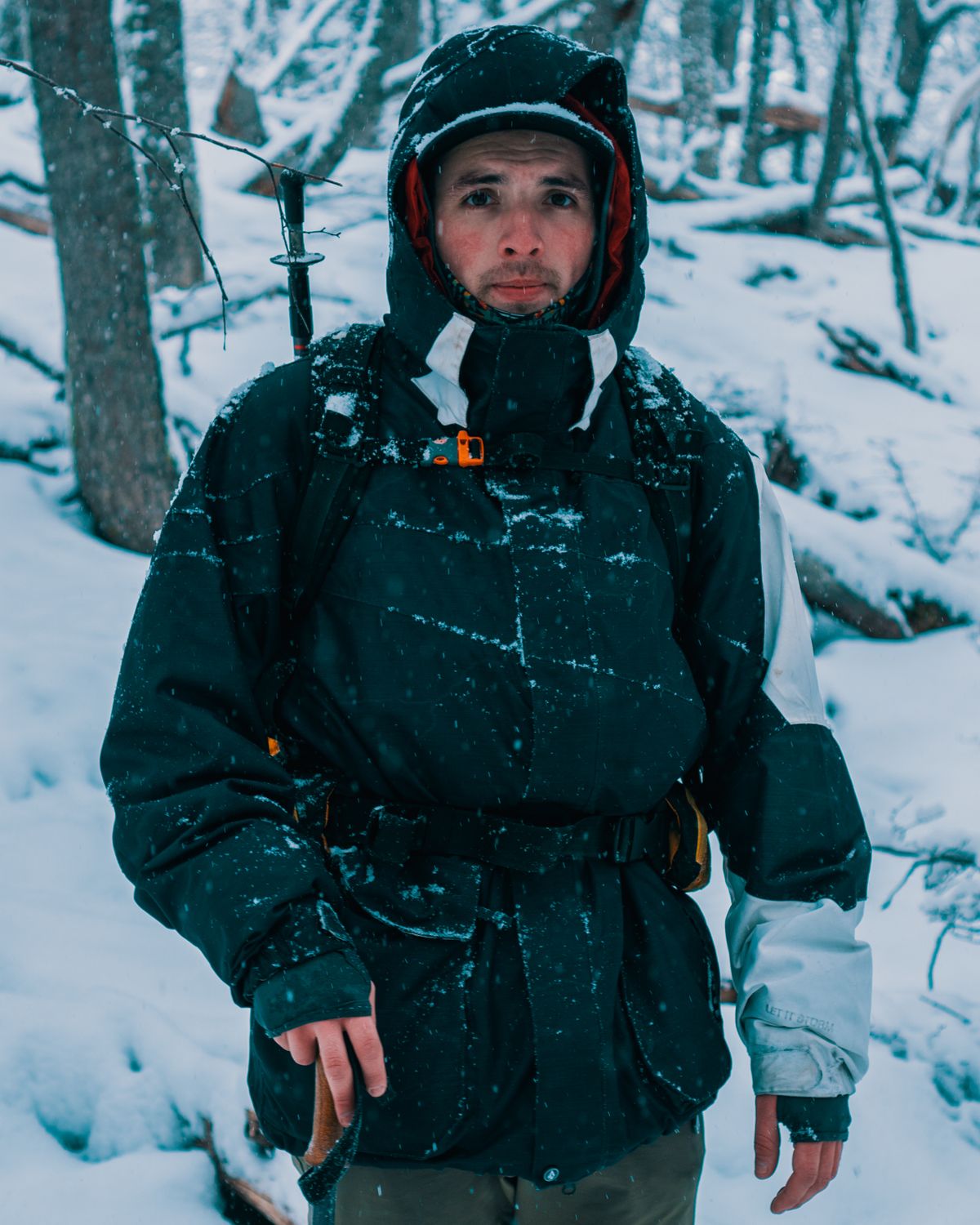
- ASIN: B07JDK9WHF
- Price: $75-90
- Fabric: 180 g/m²; 84 % Merino Wool, 16 % Nylon, 18.5 µm fiber
- Garment weight: Not specified (midweight)
- Key features: Woolmark Certified, machine washable, durable blend
- Best for: Durability-focused adventurers who need a merino layer that survives two or more hard seasons without pilling.
- Pros:
- Most durable construction in this roundup; nylon blend resists pilling and abrasion.
- 18.5 µm fiber delivers premium softness while the nylon extends garment life.
- Woolmark certification guarantees fiber quality.
- Cons:
- Nylon blend slightly reduces the pure merino temperature-regulation edge.
- Fewer weight options compared to Smartwool or Icebreaker multi-tier systems.
Buy on Amazon | Ridge Merino Aspect Collection
Minus33 Chocorua Midweight Merino Wool Crew

- ASIN: B00FLRKDC2
- Price: $80-100
- Fabric: 235 g/m² interlock knit; 100 % 18.5 µm Merino Wool
- Garment weight: 9.6 oz (size L)
- Key features: UPF 50+, flatlock seams, heritage New Hampshire wool mill
- Best for: Budget-conscious adventurers who want 100 % premium merino without the brand premium markup.
- Pros:
- Warmth and softness comparable to top-tier competitors at a lower price point.
- Wide size range (XS-6XL) with tall options accommodates more body types.
- Over 100 years of New Hampshire woolen manufacturing expertise behind the fabric.
- Cons:
- Lacks technical construction like gusseted underarms or offset shoulder seams.
- Fewer color options than Smartwool and Icebreaker.
Buy on Amazon | Minus33 Brand Story
Icebreaker Merino 200 Oasis Long Sleeve Crewe

- ASIN: B07VRVVPZM
- Price: $90-110
- Fabric: 200 g/m²; 100 % Merino Wool jersey, 18.9 µm fiber
- Garment weight: ~199 g (7 oz, size S)
- Key features: Slim fit, gusseted underarms, offset shoulder seams
- Best for: All-season adventure travel from alpine hikes to surf trips where a single base layer carries the load.
- Pros:
- Exceptionally soft 18.9 µm fiber reduces skin irritation on multi-day wear.
- Slim cut layers cleanly under hardshells without bulk.
- Gusseted underarms extend range of motion for climbing and paddling.
- Cons:
- No nylon reinforcement; collar and cuffs may show wear after 2+ seasons.
- Mid-range 200 gsm can feel chilly on windy ridgelines without a wind-proof layer.
Buy on Amazon | Icebreaker Oasis 200 Collection
Smartwool Classic Thermal Merino Base Layer Crew
- ASIN: B0B1937J29
- Price: $110-120
- Fabric: 250 g/m² (218 gsm equivalent); 100 % Merino Wool, interlock knit
- Garment weight: 10.4 oz
- Key features: Flatlock seams, offset shoulder seams, interlock knit for durability
- Best for: Winter backcountry travel, ski mountaineering, and below-freezing overnights.
- Pros:
- Superior warmth-to-weight ratio versus synthetic heavyweights.
- Shoulder panel construction eliminates top-seam chafing under pack straps.
- Natural odor resistance survives multi-week expeditions with minimal wash stops.
- Cons:
- Heavier weight can cause overheating during high-output climbing or skiing uphill.
- 100 % merino without nylon is more prone to pilling over hard-use seasons.
Icebreaker Merino 260 Tech Long Sleeve Crewe
- ASIN: B086LK14TP
- Price: $110-130
- Fabric: 260 g/m²; 100 % Merino Wool, deep-zip variant available
- Garment weight: 10.4 oz
- Key features: Gusseted underarms, forward side seams, offset shoulder seams
- Best for: Cold-weather expeditions, alpine mixed routes, and winter overlanding where maximum warmth in a single layer is the goal.
- Pros:
- Heaviest Icebreaker base layer traps serious warmth at camp or in the tent.
- Forward side seams reduce pressure points when wearing a harness all day.
- Natural merino regulates temperature across a wide range without synthetic clamminess.
- Cons:
- Too warm for sustained high-output aerobic activity like trail running or ski touring without venting.
- Premium price sits at the top of the merino base layer market.
Care and Longevity Tips for Merino Base Layers
- Wash Cold, Lightly — Machine wash on a gentle cycle at 30 °C (86 °F) or below with a wool-specific detergent. Avoid fabric softeners; they coat fibers and reduce moisture wicking.
- Air Dry Flat — Hanging to dry preserves the garment’s shape and prevents shrinkage that can affect fit in offset shoulder seams.
- Spot-Treat Stains — For localized grime, soak in lukewarm water with a small amount of wool wash before a full cycle.
- Store Loosely — Fold loosely in a breathable bag; avoid compression that can cause permanent creasing in the interlock knit.
- Rotate Layers — Even the most durable merino (e.g., Ridge Aspect’s 84 %/16 % blend) benefits from a rotation schedule to extend its pilling resistance.
Following these steps keeps the natural odor-resistance intact — research from the Woolmark Company confirms merino’s ability to stay fresh across multi-day wear when properly cared for.
Budget vs. Premium: Getting the Most Value
| Budget Tier | Price Range | Typical GSM | When to Choose |
|---|---|---|---|
| Entry | $75-90 | 150-180 gsm | Warm-day climbs, fast-pack trips, high-output ski touring. |
| Mid-Range | $90-110 | 200-235 gsm | All-season trips, mixed-terrain overlanding, moderate cold. |
| Premium | $110-130 | 250-260 gsm | Sub-freezing bivouacs, long winter expeditions, heavy-load pack travel. |
If you’re a climber who spends most of the day moving, the Smartwool Merino 150 or Ridge Aspect give you durability without excess heat. For a ski-mountaineer who needs a single layer to replace a mid-layer on the descent, the Icebreaker 260 Tech offers the warmth ceiling. The Minus33 Chocorua sits comfortably in the middle, delivering 100 % merino softness at a price that won’t break the budget.
Real-World Performance Insights
- Odor Resistance: The Woolmark research review highlights merino’s natural antimicrobial properties, which translates to fewer wash cycles on the trail.
- Moisture Management: Merino fibers can hold up to 35 % of their weight in sweat while feeling dry — critical for high-altitude climbs where humidity spikes at night.
- UV Protection: All listed shirts carry UPF 50+, a growing demand (58 % rise in UV-protective apparel adoption) among athletes who spend hours at altitude.
These data points align with the Outdoor Industry Association’s 2025 report noting a record surge in hiking and backcountry participation, confirming that the market’s appetite for technically advanced base layers is only increasing.
How to Choose the Right Layer for Your Next Expedition
- Define the Climate Envelope — If your itinerary includes sub-zero nights, aim for 250 gsm or more. For temperate valleys, 150-200 gsm is sufficient.
- Assess Activity Intensity — High-intensity activities demand breathability; prioritize a nylon blend and lower gsm.
- Consider Fit and Mobility — Gusseted underarms and offset shoulder seams (Icebreaker Oasis, Smartwool Classic Thermal) reduce chafing during long-haul climbs or paddling.
- Budget Constraints — Allocate 20-30 % of your gear budget to the base layer; it’s the most used piece and will affect comfort the most.
- Longevity Needs — If you plan to log multiple seasons with the same shirt, choose a blend with nylon reinforcement (Ridge Aspect) to combat pilling.
By matching these criteria to the product matrix above, you can confidently select a single merino base layer that performs from the first sunrise hike to the final campfire night.
Related Reading
Get price-drop alerts and new guides from BoldTripGuide
One email a week: price drops on the gear we recommend, new guides, and what changed. No spam, unsubscribe anytime.