Best Hiking Sandals for Adventure Travel 2026: Tested
The best hiking sandals of 2026 tested on river crossings, desert trails, and multi-day hut routes. Closed-toe vs open, wet-rock grip, and canyoneering picks ranked.

This post may contain affiliate links. Disclosure
Sandals have earned a reputation as camp shoes — something you slip on after unlacing your boots at the end of the day. That reputation is underserved. On the right terrain, a purpose-built hiking sandal outperforms a closed shoe for ventilation, water management, and blister prevention. On multi-day hut routes in the Alps, sandals are standard kit. In canyon country, a secure-strapping river sandal is the only sensible option for repeated technical wet crossings. And in desert heat, a breathable sandal with real traction prevents the foot sweat-blister cycle that ruins 40% of desert hikers’ days by midmorning.
This guide covers five sandals tested on river crossings in slot canyons, rocky switchback trails in heat, and multi-day hut routes — ranked honestly for what each one actually does well.
Short answer: Toe coverage is the most consequential sandal decision, and it depends entirely on terrain: closed-toe for canyon country and rocky scrambles, open-toe for hut routes and river crossings where drainage matters most. Wet-rock traction is the specification almost nobody publishes, and the one that decides whether a sandal is genuinely safe.
Open-Toe vs. Closed-Toe: Which Should You Buy?
The most consequential sandal decision isn’t brand or sole — it’s toe coverage. The answer depends entirely on terrain.
Open-toe sandals (Chaco, Teva, Bedrock) work best on smooth trails, camp use, resort-style hut routes, and any application where weight and ventilation matter more than toe protection. They’re lighter, dry faster, and drain completely.
Closed-toe or semi-enclosed sandals (KEEN Newport, HOKA Hopara 2) are the right call when your route involves roots, rocks, or any terrain where stubbing a toe on a river rock could end your trip. They add a few ounces but offer meaningful protection on technical stream crossings and anything canyoneering-adjacent.
A sandal with excellent traction on wet rock is more protective than a closed shoe with poor grip on wet rock. Prioritize outsole quality over toe coverage for technical terrain.
 Photo by Alfin Auzikri on Pexels
How We Tested
Each sandal was evaluated on: wet-rock grip on Class III river crossings, traction and stability on dry rocky desert trail, strap security under lateral load (scrambling, traverses), blister risk after 8+ hours, and drying speed after full submersion. Testing locations included Utah slot canyons and a four-day hut-to-hut traverse in the Dolomites.
The Best Hiking Sandals for Adventure Travel in 2026
1. Chaco Z/2 Classic — Best All-Around Hiking Sandal
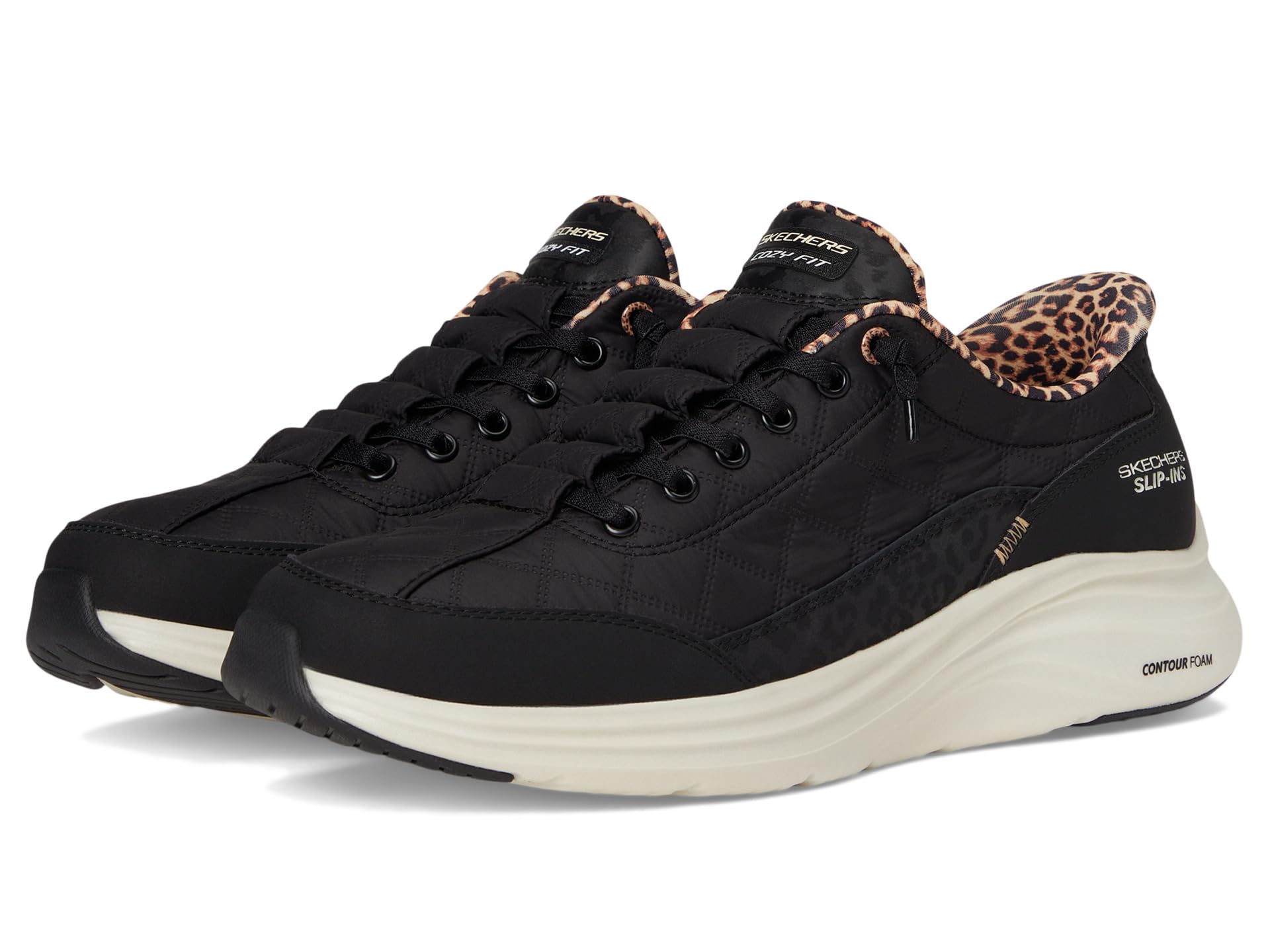
The Chaco Z/2 Classic has remained the benchmark hiking sandal for twenty years for one reason: the adjustable webbing strap system is genuinely superior. The single-piece strap threads through the footbed and locks at multiple adjustment points, which means you can dial the fit to your exact foot shape rather than adapting to pre-set holes. Add a toe loop for forefoot control and a LUVSEAT PU footbed that’s been podiatrist-certified for arch support, and you have a sandal that handles all-day mileage without the fatigue that flat sandals create.
The ChacoGrip rubber outsole is their most capable to date — 3.5mm lugs in a multi-directional pattern that performs on everything from wet granite to loose gravel. It’s heavier than minimalist competitors, but that weight comes from a footbed designed for genuine support, not just cushion marketing.
Best for: Day hikes, hut-to-hut routes, general adventure travel, wide-foot hikers Weight: ~13.7 oz per sandal (women’s size 8) Outsole: ChacoGrip rubber, 3.5mm lugs Price: ~$105
Pros: Unmatched adjustability, podiatrist-certified arch support, durable construction Cons: Heavier than minimalist options, break-in period of ~10 miles before straps soften
2. KEEN Newport H2 — Best Closed-Toe for Technical Crossings

The KEEN Newport H2 is what you reach for when the route involves repeated stream crossings on slick basalt, technical scrambles with wet feet, or any canyon section where unprotected toes are a liability. The rubber toe bumper has absorbed enough rock impacts across enough rivers to have earned its reputation. KEEN’s high-traction rubber outsole with siped channels displaces water directly beneath your foot — the physics behind why this sandal performs on slick wet rock where open-toe alternatives slide.
The quick-dry webbed upper and bungee-lock adjustment system means you can go from boot to sandal at a trailhead, wade a river, and keep moving without stopping to empty or adjust. The full machine-washable construction is a practical advantage that matters on multi-day trips.
Best for: River crossings, canyoneering-adjacent routes, hikers prioritizing toe protection Weight: ~15.4 oz per sandal (men’s size 9) Outsole: High-traction rubber with siped channels Price: ~$110
Pros: Superior wet-rock grip, robust toe protection, machine washable Cons: Heaviest option in this roundup, less breathable than open-toe alternatives
3. Teva Original Universal — Best Lightweight Day-Hike Sandal
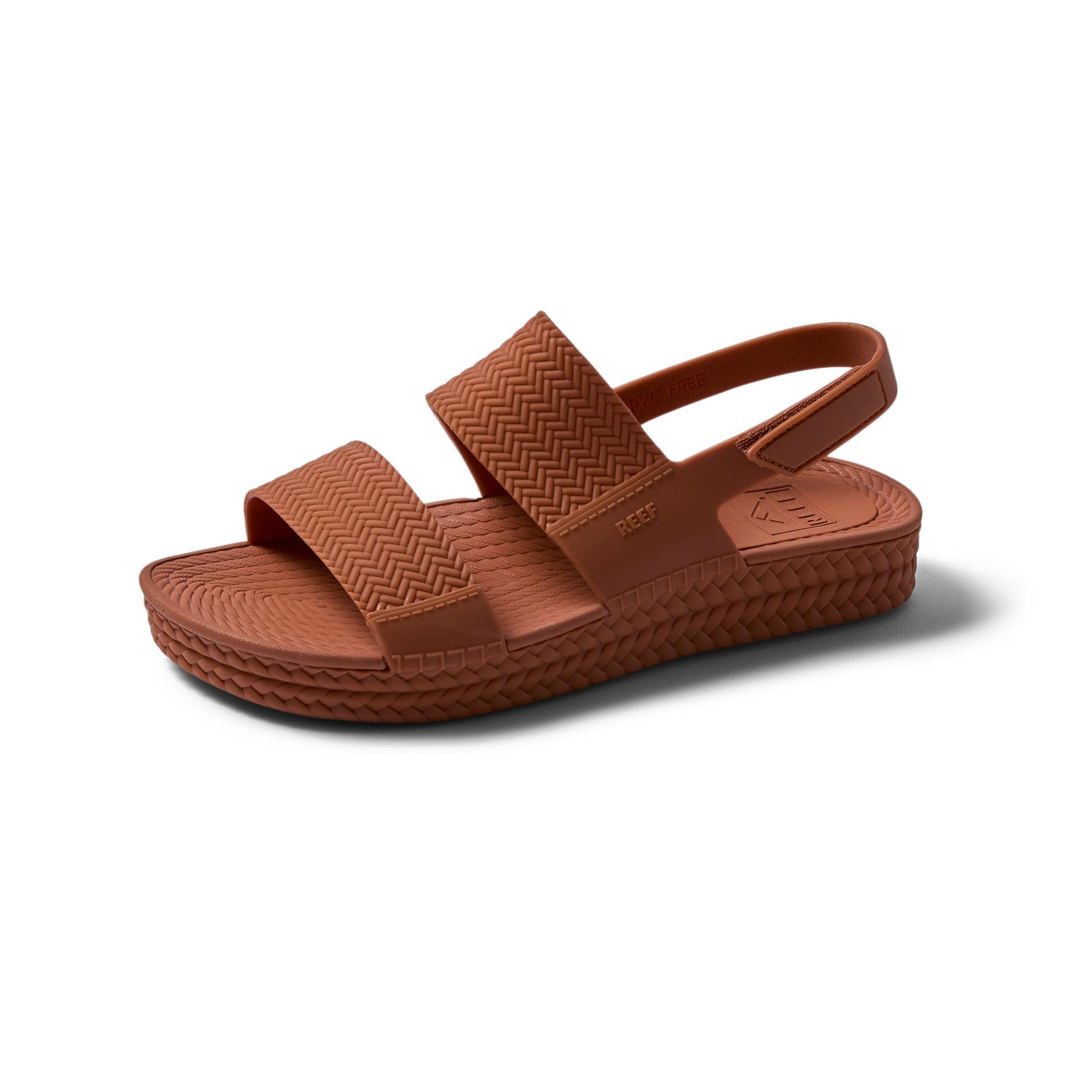
The Teva Original Universal has been refined steadily since a river guide near the Grand Canyon invented the concept in 1984. The current version uses REPREVE recycled polyester webbing that maintains its feel wash after wash, a molded EVA midsole with heel cupping, and a rubber outsole competent enough for established trails and light scrambling.
It’s the right pick if you need a versatile packable sandal for travel days, resort-adjacent hikes, and camp use — a sandal you can stuff in a side pocket of your pack without adding meaningful weight. For serious technical terrain it’s outclassed by the KEEN and Chaco, but for its intended use as a go-everywhere lightweight sandal, it’s hard to beat at the price point.
Best for: Casual hiking, travel days, packable camp sandal, beach and resort use Weight: ~8.8 oz per sandal (women’s size 7) Outsole: Rubber, smooth-to-lug transition Price: ~$55
Pros: Extremely lightweight, universal strap adjusts easily, excellent price point Cons: Not suited for loaded multi-day hiking, limited arch support
 Photo by Alfin Auzikri on Pexels
4. HOKA Hopara 2 — Best Amphibious Performance Sandal

The HOKA Hopara 2 is the most technically ambitious sandal in this roundup — and the most surprising performer on multi-day routes. The midsole incorporates 30% sugarcane foam, which HOKA adapted from their running shoe line, delivering a cushioned ride that makes the Hopara feel more like a sport shoe than a traditional sandal when you’re moving quickly on trail. The toggle lace and adjustable heel strap provide the kind of lockdown you typically only get from closed athletic footwear.
The 100% recycled CORDURA mesh overlay serves two purposes: it keeps trail debris out (a constant problem with open sandals) while still draining quickly after water crossings. Water repellency is built into the upper construction rather than a coating that wears off. For adventure travelers who want one sandal that can handle both hut-to-hut hiking and water-based activities without sacrificing running-shoe comfort, the Hopara 2 is the 2026 recommendation.
Best for: Amphibious adventures, fast trail hiking in heat, multi-activity trips, cushion-forward hikers Weight: ~10.3 oz per sandal (men’s size 9) Outsole: Vibram rubber Price: ~$135
Pros: Superior cushioning compared to all competitors, debris-resistant overlay, quick-dry construction Cons: Higher price point, more specialized than all-purpose sandals
5. Bedrock Cairn Evo 3D PRO — Best for Canyoneering and Technical Routes
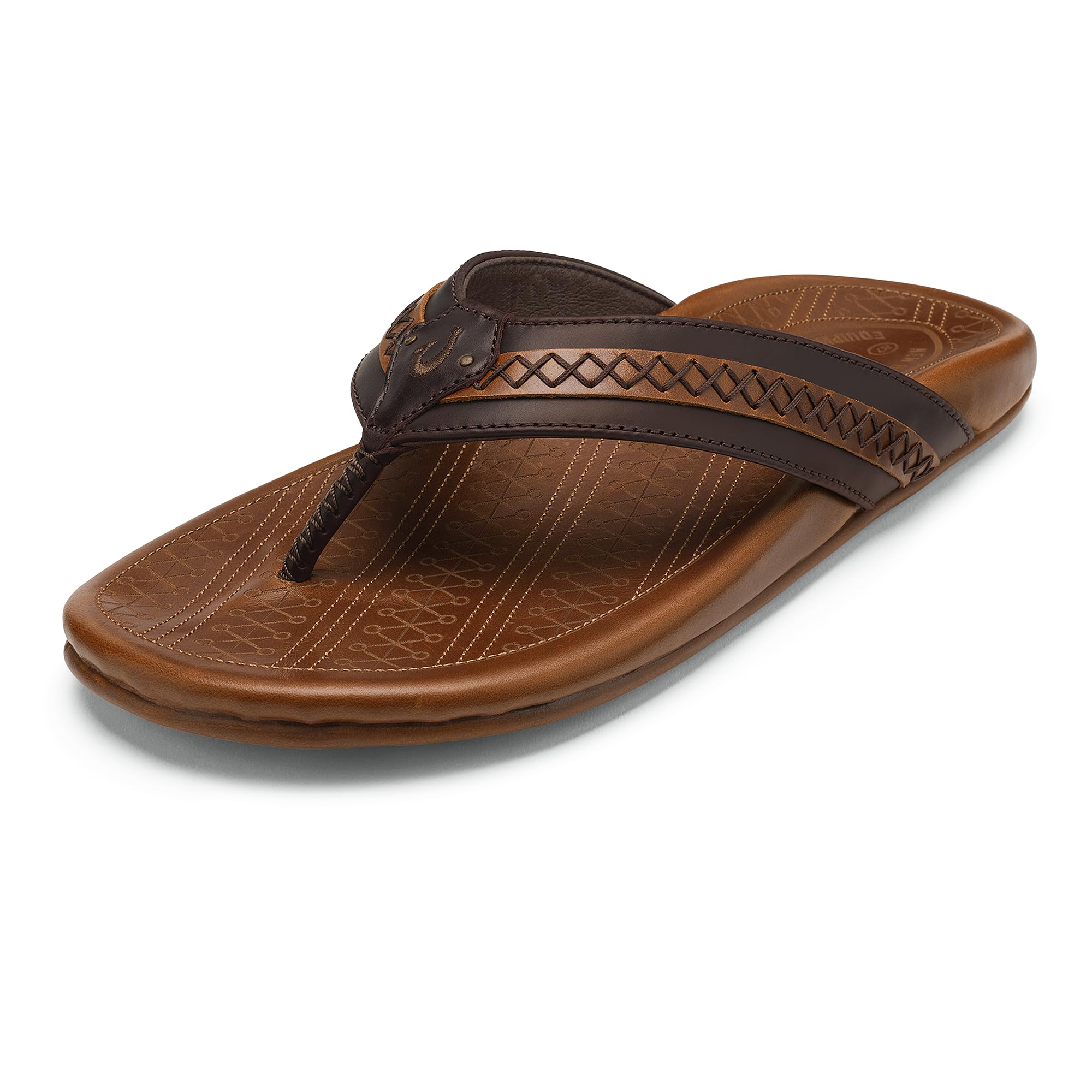
The Bedrock Cairn Evo 3D PRO is a specialist tool: if your route involves slot canyons, technical descents, or any terrain where an open sandal would typically be terrifying, this is the sandal that holds its ground. The Vibram Megagrip outsole — borrowed directly from technical climbing and approach shoe applications — delivers serious friction on wet sandstone, polished canyon walls, and the slick potholes that characterize desert technical terrain.
The 3D toe-triangle security system and patented heel adjustment lock the foot into the sandal with a precision that feels closer to a climbing shoe interface than a typical sandal. The abrasion-resistant wing construction protects the high-wear areas that typically show deterioration after one canyon season. For canyon-country specialists, this is the only open sandal we’d trust on a technical descent.
Best for: Canyoneering, slot canyon technical routes, desert scrambling, experienced adventurers Weight: ~11.1 oz per sandal (size 9/10) Outsole: Vibram Megagrip Price: ~$150
Pros: Best technical grip of any sandal tested, secure heel-to-toe lockdown, canyon-proven construction Cons: Very specialized — excessive for casual hiking, steep price for a sandal
Wet-Rock Traction: The Most Important Spec Nobody Lists
Manufacturers rarely publish wet-rock coefficient of friction data. Based on field testing on Class III slick canyon and wet granite, here’s a rough ranking for this group:
- Bedrock Cairn Evo 3D PRO (Vibram Megagrip — identical to technical approach shoe grip)
- KEEN Newport H2 (siped channels actively disperse water)
- Chaco Z/2 Classic (ChacoGrip performs well, slightly less sticky than Vibram)
- HOKA Hopara 2 (Vibram outsole, confident on moderately technical wet terrain)
- Teva Original Universal (adequate for established trail, cautious on slick rock)
For any route involving repeated wet crossings or technical water terrain, the KEEN or Bedrock are the defensible choices.
 Photo by Pavel Danilyuk on Pexels
Strap Fit and Blister Prevention
The single biggest cause of sandal blisters is webbing that’s slightly wrong at one contact point, amplified over hours. Field tips:
- Fit sandals with the socks you’ll actually wear (or confirm you’ll wear them sockless) — strap tension changes significantly
- The heel strap should be snug enough that the sandal doesn’t flop during the swing phase of your stride
- If you’re prone to webbing blisters, Body Glide on strap contact points and a 10-mile break-in period resolve most issues
- The Chaco Z/2’s single-strap system distributes pressure more evenly than multi-strap designs, making it the lowest-blister-risk option for new sandal hikers
For technical approaches and scrambling routes where a sandal still makes sense, see our best approach shoes for climbing and scrambling 2026 for when dedicated rubber soles are the smarter call. For canyon routes specifically, the canyoneering guide to best slot canyons and technical descents covers footwear decisions by route type in depth. And if your adventure involves river sections and open-water swimming, the wild swimming guide to the best spots in 2026 includes footwear recommendations by water type.
For fit and foot health guidance, the American Orthopaedic Foot and Ankle Society recommends always fitting footwear in the afternoon when feet are at their largest.
Packing for Multi-Activity Trips
One sandal, not two, is the right call for most adventure travelers. The question is which type. If your trip has more trail miles than water crossings, the Chaco or HOKA Hopara 2 covers both. If your itinerary is canyon-heavy with technical sections, the Bedrock Cairn Evo 3D PRO or KEEN Newport H2 earns its weight. The Teva Original Universal is the right answer for low-intensity travel — a resort or hut-trip sandal where performance isn’t the primary requirement.
Sandal Care on Multi-Day Trips
Hiking sandals are notably forgiving to maintain compared to closed footwear, but a few field habits extend life significantly. Rinse webbing after salt water or silty river crossings — salt and fine sediment are the primary causes of premature strap wear on adventure sandals. Let them air dry naturally away from direct heat, which warps EVA footbeds over repeated cycles. For straps that have stiffened after long use, a light treatment with a strap conditioner (or petroleum jelly in a pinch) restores pliability without affecting grip.
Outsole wear is the lifespan limit for performance sandals — once Vibram Megagrip lugs wear below 2mm, wet-rock performance degrades sharply. Most high-use adventure sandals (weekly hiking, 100+ miles per year) last 3-4 seasons with proper care.
Frequently Asked Questions
Are hiking sandals appropriate for international adventure travel? Yes — and they’re often preferable. Many Southeast Asian and South American trekking destinations involve river crossings, humid conditions, and changing terrain where a quick-drying sandal with real grip outperforms boots for comfort and versatility. Sandals also pass through airport security faster, which matters when you’re moving every 2-3 days.
What socks with hiking sandals? For most hiking sandals, sockless is the intended use — the footbeds are designed for direct skin contact. If you’re prone to strap blisters, a thin merino liner sock resolves friction without adding meaningful heat. Toe-loop designs like the Chaco Z/2 accommodate thin socks well. Closed-toe designs like the KEEN Newport H2 pair naturally with quick-dry liner socks on longer days.
Do hiking sandals work for backpacking with a full pack? For loads under 30 lbs on moderate terrain, yes — particularly the Chaco Z/2, KEEN Newport H2, and HOKA Hopara 2 which have meaningful arch support and footbed structure. For heavier loads on technical terrain, a trail runner is still the more defensible choice.
Verdict
For all-around adventure travel, the Chaco Z/2 Classic remains the most complete hiking sandal: the adjustable strap system fits more foot shapes, the podiatrist-certified footbed handles all-day mileage, and the ChacoGrip outsole is competent on real terrain. Technical canyon travelers should move to the Bedrock Cairn Evo 3D PRO or KEEN Newport H2 depending on whether open or closed-toe coverage better suits their route. The HOKA Hopara 2 earns a strong recommendation for comfort-first hikers who want running-shoe cushioning in a sandal platform.
Related Reading
Get price-drop alerts and new guides from BoldTripGuide
One email a week: price drops on the gear we recommend, new guides, and what changed. No spam, unsubscribe anytime.