10 Best Rock Climbing Destinations in the World
From Greek islands to American classics, discover the most iconic climbing destinations that should be on every climber's bucket list.

Whether you’re a seasoned climber chasing your next 5.14 project or a beginner looking to experience outdoor climbing for the first time, the world is filled with incredible destinations that offer everything from perfect limestone pockets to granite crack systems. Here are 10 of the best rock climbing destinations that deserve a spot on your adventure travel bucket list.
1. Kalymnos, Greece
Kalymnos has transformed from a quiet sponge-diving island into one of the world’s premier sport climbing destinations. With over 3,400 routes on bulletproof limestone, this Dodecanese island offers climbs for every grade and style.
What Makes It Special: The rock quality is exceptional—sharp pockets, tufas, and stalactites create challenging and unique movement. Most crags are less than 15 minutes from the main town of Massouri, making it incredibly accessible.
Best Season: Spring (March-May) and Fall (September-November) offer perfect temperatures. Summer can be scorching, but shaded morning routes are still climbable.
Grades: Everything from 5.6 to 5.15, with the majority of routes in the 5.10-5.12 range. Beginners will find plenty of easier routes, while elite climbers can test themselves on some of the hardest sport climbs in Europe.
Accommodation: Stay in Massouri or Armeos for easy crag access. Budget options include camping and simple studios (€25-40/night), while mid-range hotels run €50-80/night. Many climbers rent apartments for weekly stays at better rates.
Pro Tip: Rent a scooter to access more remote crags. The local climbing community is incredibly welcoming, and you’ll often find yourself invited to join groups heading to different sectors.
 Photo by Quang Nguyen Vinh on Pexels
2. Fontainebleau, France
Just 40 minutes from Paris, “Font” is the birthplace of modern bouldering and remains the gold standard for the discipline. The forest’s 30,000+ problems on sandstone boulders have shaped bouldering culture worldwide.
What Makes It Special: The variety is staggering—slopers, crimps, mantles, dynos, and technical slabs all within a magical forest setting. The circuit system (color-coded routes) makes it easy to find problems at your level.
Best Season: Autumn (September-November) and Spring (April-May) offer the best friction. Winter can work on dry days, but summer is generally too hot and humid for optimal conditions.
Grades: Problems range from VB to V16. The concentration of classic problems in the V4-V8 range is unmatched anywhere in the world.
Accommodation: Camping is popular and affordable at sites like La Musardière (€8-12/night). The town of Fontainebleau has hotels (€60-100/night), or stay in Paris and day-trip via train.
Pro Tip: Invest in the Bleausard app or a guidebook—navigation can be tricky. Respect the forest rules: no brushing, minimal chalk, and stay on paths between boulders.
3. Joshua Tree National Park, California
Joshua Tree is an American climbing institution, offering 8,000+ routes on quartz monzonite formations among the park’s iconic twisted yucca trees. The desert landscape provides a surreal backdrop for world-class climbing.
What Makes It Special: Crack climbing heaven. Joshua Tree teaches you to jam, stem, and chimney like nowhere else. The rock texture is coarse enough for excellent friction but smooth enough to be kind to your skin.
Best Season: October through April. Summer temperatures regularly exceed 100°F (38°C) and climbing is miserable. Holiday weekends can be crowded, especially Thanksgiving and Christmas.
Grades: The park caters to all levels, but it’s particularly strong in the 5.8-5.11 range. Classics like Intersection Rock and Hemingway Buttress offer perfect moderate trad climbing.
Accommodation: Camping inside the park ($20-25/night) puts you closest to the climbing. Hidden Valley and Jumbo Rocks campgrounds are most popular with climbers. The town of Joshua Tree offers motels and vacation rentals ($80-150/night).
Pro Tip: Bring more water than you think you need. Learn to place gear before arriving—this isn’t the place to learn trad skills. Rent a crash pad if bouldering; the landings can be sketchy.
 Photo by Rishiraj Parmar on Pexels
4. El Capitan, Yosemite Valley, California
El Cap needs no introduction. The 3,000-foot granite monolith is the ultimate big wall climbing objective, home to iconic routes like The Nose, Lurking Fear, and Dawn Wall.
What Makes It Special: This is where modern big wall climbing was invented. The history, the exposure, the commitment—climbing El Cap is a rite of passage for serious climbers.
Best Season: May-June and September-October offer the best weather windows. Summer can work but brings afternoon thunderstorms. Winter ascents are possible but require serious experience.
Grades: Big wall routes range from 5.9 (Lurking Fear) to 5.14d (Dawn Wall). Even the “easier” routes require advanced rope skills, aid climbing knowledge, and multi-day logistics.
Accommodation: Camp 4 is the legendary climber’s campground ($10/night), operating first-come, first-served October through April. Summer requires reservations. Curry Village and Yosemite Lodge offer cabin and hotel options ($150-300/night).
Pro Tip: Start with a shorter Valley wall like Washington Column or Leaning Tower before attempting El Cap. Take an aid climbing course. Portaledge practice in your backyard is highly recommended.
5. Railay Beach, Thailand
Accessible only by boat, Railay is a limestone paradise where you can sport climb overhanging walls in the morning and relax on white sand beaches in the afternoon. It’s the perfect blend of adventure and tropical relaxation.
What Makes It Special: The climbing is on stunning karst towers rising from the Andaman Sea. Routes often feature dramatic exposure and unique features like tufas and pockets.
Best Season: November through March offers the driest weather. April-May is hot but still climbable. Monsoon season (June-October) sees frequent rain and high humidity.
Grades: Railay has developed significantly, with routes from 5.6 to 5.14. The concentration of quality routes in the 6a-7a range (roughly 5.10-5.11) is excellent.
Accommodation: Everything from basic bungalows (500-800 THB/night, $15-25) to luxury resorts ($150+/night). Staying on Railay West puts you closest to most crags. Many climbers stay in Ao Nang for cheaper accommodation and boat over daily.
Pro Tip: Bring your own quickdraws and belay device—rental gear is available but limited. Afternoon climbing can be very hot; plan for early morning or late afternoon sessions. The social scene is fantastic, with climbers gathering at Wee’s Restaurant each evening.
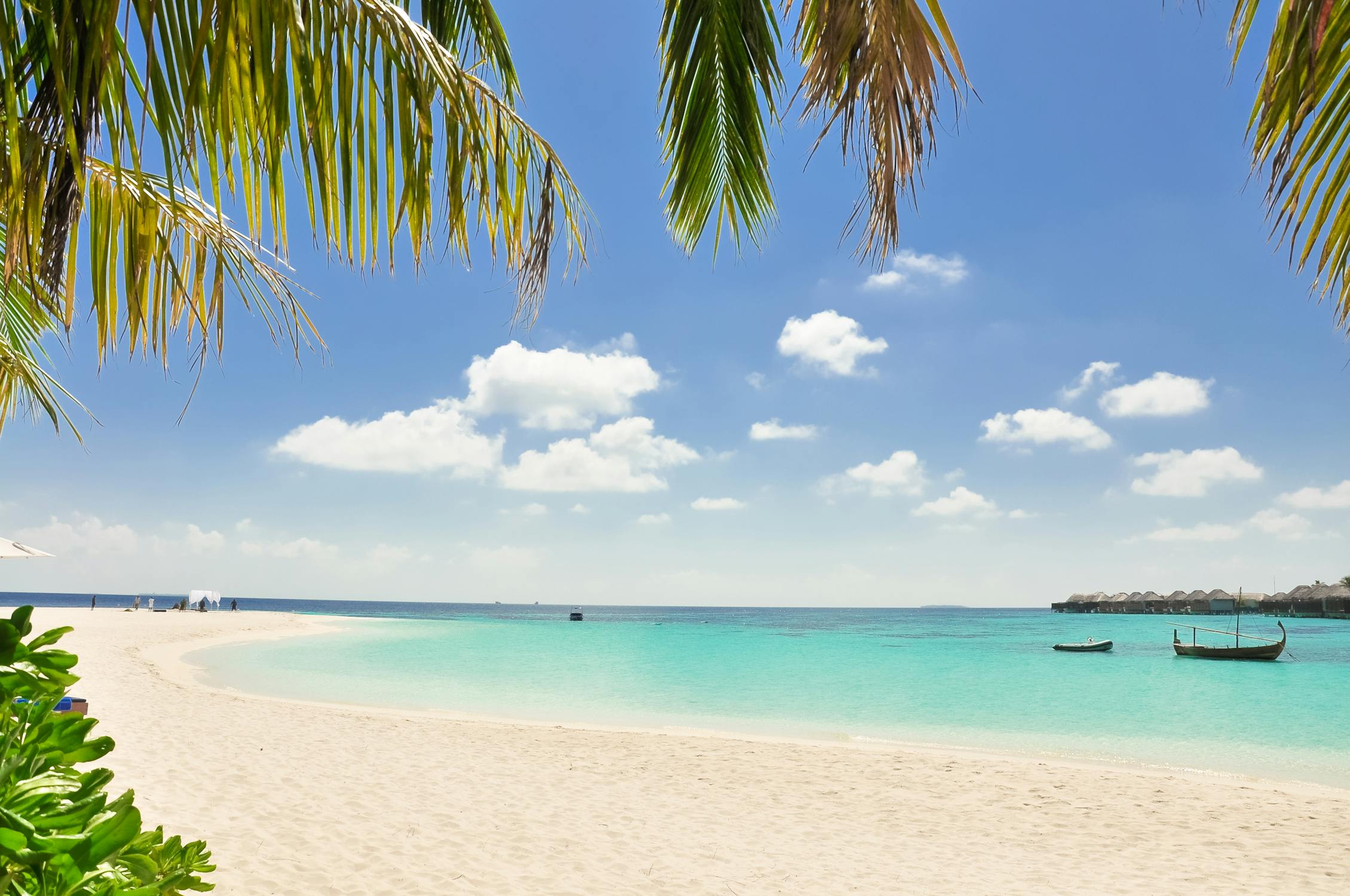 Photo by Athena on Pexels
6. Frankenjura, Germany
The Frankenjura region in Bavaria is one of Europe’s largest sport climbing areas, with over 10,000 routes on pocketed limestone. This is where Wolfgang Güllich pushed the boundaries of difficulty in the 1980s and 90s.
What Makes It Special: The density of quality routes is remarkable. You can climb for months without repeating a crag. The rock features technical pocket climbing that builds finger strength like nowhere else.
Best Season: April-October works well. Summer can be warm but most crags have shaded sectors. Autumn offers beautiful colors and good friction.
Grades: Strong concentration in the 6a-7c range (5.10-5.13), but there are plenty of easier routes for beginners. Advanced climbers will find classic test pieces up to 9b (5.15b).
Accommodation: Camp at climber-friendly sites like Camping Bärenschlucht (€8-12/night) or rent apartments in towns like Obertrubach. Pottenstein and Gößweinstein offer guesthouses (€40-70/night).
Pro Tip: Get the “Frankenjura Süd” and “Frankenjura Nord” guidebooks—they’re essential. Parking can be tight at popular crags; arrive early or be prepared to walk. The local climbing ethos values minimal chalk and quiet enjoyment of nature.
7. Bishop, California
Bishop is America’s premier bouldering destination, set at 4,000 feet in the Owens Valley with the Sierra Nevada as a backdrop. The Volcanic Tablelands offer thousands of problems on perfect volcanic rock.
What Makes It Special: The variety of rock types—from blocky volcanic boulders to granite highballs—keeps things interesting. Problems often feature perfect edges and powerful movement.
Best Season: March-May and September-November are prime. Winter can work but nights are freezing. Summer is too hot except for high-elevation areas.
Grades: Bishop has everything, but it’s famous for classic problems in the V4-V8 range. The Buttermilks, Happy Boulders, and Sad Boulders concentrate the best moderate problems.
Accommodation: The Pit and Pleasant Valley Pit are free BLM camping areas beloved by climbers (arrive early for spots). Motels in Bishop town run $60-120/night. Many climbers rent houses for weekly stays ($500-1000/week split among groups).
Pro Tip: Bring multiple crash pads—landings are often rocky. Skin care is crucial in the dry desert air; tape preventively and use salve religiously. Check out Spoon’s Thai for the best climber fuel in town.
8. Siurana, Spain
Perched above a stunning reservoir in Catalonia, Siurana offers some of Europe’s best limestone sport climbing with a charming medieval village atmosphere.
What Makes It Special: The routes are long, sustained, and technical. The rock quality is exceptional, with orange and grey limestone walls offering everything from vertical faces to steep caves.
Best Season: Spring (March-May) and Fall (September-November) are ideal. Summer mornings can work on shaded walls, but afternoons are too hot.
Grades: Siurana is known for challenging climbing—lots of routes in the 7a-8a range (5.11-5.13). Beginners will find enough easier routes, but this destination rewards intermediate to advanced climbers.
Accommodation: Camping Siurana is the social hub (€7-10/night). The tiny village has a couple of small hotels and apartments (€40-80/night). Nearby Cornudella offers more accommodation options.
Pro Tip: The approach to some crags is significant—40+ minutes of hiking. Bring plenty of water. The project culture is strong here; don’t be surprised to see climbers working the same route for days.
9. Squamish, British Columbia
The Stawamus Chief—a massive granite dome rising 2,000 feet—dominates Squamish, but the area offers far more than this iconic big wall. Sport climbing, bouldering, and multi-pitch trad routes make Squamish one of North America’s most complete climbing destinations.
What Makes It Special: World-class granite crack climbing combined with excellent sport routes. The setting between ocean and mountains is breathtaking. Plus, it’s only 45 minutes from Vancouver.
Best Season: May-September is the dry season. July-August offers the most reliable weather but also the biggest crowds. Spring and fall can be rainy but are less crowded.
Grades: The Chief’s multi-pitch routes range from 5.6 to 5.14. Sport climbing areas like the Malamute, Smoke Bluffs, and Murrin Park offer everything from 5.6 to 5.13.
Accommodation: The Squamish Spit allows free camping near the climbing. Alice Lake and other provincial parks offer campgrounds ($20-35/night). Squamish town has hostels ($30-40/night) and hotels ($80-150/night).
Pro Tip: Bring rain gear—forecasts change quickly. The rock stays wet for a day or two after rain. Learn to place gear well; the polished cracks can be tricky to protect. Check out the Squamish Climbing Magazine for area history and beta.
10. Leonidio, Greece
This lesser-known Greek gem offers over 1,500 routes on stunning orange limestone in a more relaxed atmosphere than Kalymnos. The Parnon Mountains create a dramatic backdrop to the climbing.
What Makes It Special: The routes feature long, sustained climbing on excellent rock. The orange and red limestone is visually striking and offers varied features—pockets, tufas, and technical face climbing.
Best Season: Spring (March-May) and Fall (September-November) are perfect. Winter can work on sunny days. Summer is too hot except for early mornings.
Grades: Good distribution across all grades, with strength in the 6a-7b range (5.10-5.12). The longer routes (20-35m) give you more climbing per pitch than most sport crags.
Accommodation: The town of Leonidio offers apartments (€30-60/night) and small hotels. Some climbers camp at nearby beaches. Weekly apartment rentals offer the best value.
Pro Tip: Bring a 70m rope—many routes require it. The town is charming and authentic, with excellent tavernas. Learn a few Greek phrases; locals appreciate the effort and hospitality is incredible.
Planning Your Climbing Trip
When choosing your destination, consider:
- Your Grade Range: Match the destination to your ability. Going somewhere like Siurana when you climb 5.9 will be frustrating.
- Season: Weather makes or breaks climbing trips. Research carefully and have backup plans.
- Style: Are you a boulderer, sport climber, or trad climber? Choose destinations that match your preferred style.
- Budget: European destinations often offer better value than U.S. locations due to camping culture and affordable food.
- Logistics: Consider travel time, gear rental availability, and whether you need a car.
Each of these destinations offers not just world-class climbing but also rich local culture, stunning natural beauty, and the chance to connect with the global climbing community. Whether you’re drawn to Greek limestone, California granite, or Thai karst towers, these climbing destinations will provide memories that last a lifetime.
Start planning your next climbing adventure—your project awaits on rock formations around the world.
Get the best ThrillStays tips in your inbox
Weekly guides, deals, and insider tips. No spam, unsubscribe anytime.