Best Non-GoPro Adventure Action Cameras for 2026
Top non-GoPro action cameras of 2026—from budget AKASO to pro Insta360 X5—matched to climbing, surfing, skiing, and overlanding skill levels.

This post may contain affiliate links. Disclosure
Adventure-hungry travelers are no longer satisfied with the same old GoPro hype. The global action-camera market surged past $7 billion in 2025 and is set to top $8 billion in 2026, driven by a 7-9 % annual rise in extreme-sport participation and a 25 % YoY jump in 4K adoption. Whether you’re clipping a cam to a climbing harness, mounting a pod on a surfboard, or rigging a lens on an overland rig, the right non-GoPro can shave seconds off prep, extend battery life, or capture angles a flat-lens cam simply can’t. Below we break down the six most capable, verified models for 2026, match them to skill tiers, and give you the data you need to choose a camera that earns its place on the line-of-sight. North America alone accounted for over 34 % of global action-camera market share in 2025, and with more than 1.1 billion adventure travelers logging trips in 2024, demand for durable, waterproof cameras is accelerating. The six models here cover every skill level and every terrain.
Short answer: The action-camera market passed $7 billion in 2025 and is set to top $8 billion in 2026, and the strongest non-GoPro options now beat it on specifics. Insta360 leads 360 capture, the fastest-growing segment at 13.6% CAGR through 2033, while DJI wins flat-lens quality with 10-bit colour and multi-day battery life.
Market Momentum and Why Go Non-GoPro
The 360-degree segment is the fastest-growing slice of the market, projected to expand at 13.6 % CAGR through 2033. Brands like Insta360 have turned that growth into usable tech—dual 1/1.28” sensors, AI-driven stitching, and replaceable lenses that keep a single body relevant for years. Meanwhile, DJI continues to push flat-lens performance with 10-bit color and multi-day battery life, a boon for cold-weather mountaineering where swapping batteries is a luxury.
Why skip GoPro? Three practical reasons:
- Specialized Form Factors — 360 rigs, ultra-light magnet pods, and rugged 1-inch sensors fill niches GoPro’s single-lens lineup can’t.
- Price-Performance Gaps — Many non-GoPro models deliver comparable 4K frame rates, longer native waterproof depth, or built-in storage for a lower or comparable price.
- Ecosystem Flexibility — Open-source editing tools, interchangeable lenses, and modular battery packs let pros tailor rigs to each sport without buying a whole new camera.
The video content creation segment holds approximately 22 % of total action-camera use cases, covering vloggers, educators, and social media creators. With over 1.1 billion adventure travelers logging trips in 2024, the demand for cameras that survive drops, saltwater, and sub-zero temps is only going to rise.
Top Picks by Skill Level
Below is a single, consolidated list. Each product is presented with its official Amazon link (affiliate tag included), core specs, and a quick “best for” note. Prices reflect the current Amazon range.
Insta360 X5 — Standard Edition
- Price: $500-$560
- Weight: 200 g
- Resolution: 8K 360 video, 72 MP photos
- Sensors: Dual 1/1.28”
- Waterproof: 15 m native (no housing)
- Battery: 185 min (endurance mode)
- Key Features: Replaceable lenses, Triple AI Chip, Invisible selfie-stick effect, PureVideo low-light mode
Best for: Climbers, surfers, and overlanders who need a single camera that captures every angle hands-free.
Pros: Lens swap extends lifespan; 8K 360 rivals cinema rigs; AI removes selfie stick automatically.
Cons: Premium price; 8K 360 limited to 88 min per charge at full resolution.
Official hardware specs: Insta360 X5 Hardware Specifications
DJI Osmo Action 5 Pro — Standard Combo
- Price: $320-$370
- Weight: 146 g
- Resolution: 4K @ 120 fps, 13.5-stop dynamic range
- Sensor: 1/1.3”
- Waterproof: 20 m native (60 m with case)
- Battery: 4 h (longest in class)
- Storage: 47 GB built-in
Best for: Backcountry skiers and mountaineers who need extended battery life and subject-tracking in extreme cold (-20 °C).
Pros: 4-hour battery; built-in 47 GB storage eliminates memory-card worries; robust waterproof depth.
Cons: No 360 capture; subject tracking needs good light.
Official specs: DJI Osmo Action 5 Pro Specifications Tom’s Guide review: DJI Osmo Action 5 Pro Review
Insta360 GO 3S — 128 GB Black
- Price: $340-$430
- Weight: 39 g (lightest 4K action cam)
- Resolution: 4K @ 30 fps
- Waterproof: IPX8 (10 m)
- Battery: 29 min body-only; 140 min with Action Pod
- Mounting: Magnetic pendant + adhesive clip
Best for: Via-ferrata climbers, cyclists, and trail runners who need a mount-anywhere POV cam that disappears on gear.
Pros: Feather-light; magnetic mount eliminates fiddling; AI editing auto-cuts footage.
Cons: Body battery short; fixed lens, no zoom or 360.
DJI Osmo Action 4 — Standard Combo
- Price: $210-$250
- Weight: 145 g
- Resolution: 4K @ 120 fps, 10-bit D-Log M
- Sensor: 1/1.3”
- Waterproof: 18 m native (60 m with case)
- Battery: 160 min
Best for: Budget-conscious adventure riders and divers who want cinema-grade color without the premium price.
Pros: 10-bit color for post-processing; HorizonSteady keeps frame level upside-down; strong native waterproof depth for price.
Cons: Older 2023 model; requires microSD; screen can wash out in bright sun.
Official product page: DJI Osmo Action 4
AKASO Brave 8 — Standard Edition
- Price: $80-$110
- Weight: 115 g
- Resolution: 4K @ 60 fps, 48 MP photos
- Waterproof: 10 m (33 ft) without case
- Battery: 90 min (single); includes two batteries + remote
Best for: First-time adventure travelers and budget overlanders who want capable 4K without breaking $100.
Pros: Two batteries and remote out of the box give ~3 h total; sharp 4K 60 fps; wide 170° lens ideal for helmets.
Cons: Stabilization weaker than DJI or Insta360; plastic build, average audio.
Official page: AKASO Brave 8 TechRadar review: AKASO Brave 8 Review
Sony RX0 II — Body
- Price: $650-$750
- Weight: 132 g
- Resolution: 4K internal, 15.3 MP 1-inch stacked Exmor RS sensor
- Lens: ZEISS 24 mm F4 fixed
- Waterproof: 10 m (33 ft) native; shockproof to 6.5 ft; crushproof to 200 kgf
- Screen: 180° tilt LCD
Best for: Underwater macro photographers and film crews needing cinema-grade image quality in a palm-sized rugged body.
Pros: 1-inch sensor delivers unmatched dynamic range; truly rugged (water, shock, crush) without housing; Multi-Camera Control app for synchronized rigs.
Cons: Fixed 24 mm F4 lens limits low-light and zoom; highest price; capped at 4K.
Key Features to Compare Across the Lineup
| Feature | Insta360 X5 | DJI Osmo Action 5 Pro | Insta360 GO 3S | DJI Osmo Action 4 | AKASO Brave 8 | Sony RX0 II |
|---|---|---|---|---|---|---|
| Sensor Size | Dual 1/1.28” | 1/1.3” | 1/2.3” (fixed) | 1/1.3” | 1/2.3” | 1-inch |
| Max Video | 8K 360 | 4K 120 fps | 4K 30 fps | 4K 120 fps | 4K 60 fps | 4K |
| Stabilization | FlowState 360 | RockSteady 2 | FlowState | HorizonSteady | SuperSmooth | Optical + electronic |
| Battery Life (full res) | 88 min (8K) | 4 h | 29 min (body) / 140 min (pod) | 160 min | 90 min | ~70 min |
| Waterproof (native) | 15 m | 20 m | 10 m (IPX8) | 18 m | 10 m | 10 m |
| Built-in Storage | None | 47 GB | None | None | None | None |
| Price Range | $500-$560 | $320-$370 | $340-$430 | $210-$250 | $80-$110 | $650-$750 |
| Unique Edge | Replaceable lenses, 360 AI | 47 GB internal, 4-h battery | Magnetic mount, ultra-light | 10-bit D-Log M, HorizonSteady | Two batteries + remote | 1-inch sensor, crushproof |
Resolution and Sensor — The X5’s dual 1/1.28” sensors give the most detail in 8K 360, while the Sony’s 1-inch sensor wins low-light dynamic range. For pure 4K flat-lens work, the Action 5 Pro and Action 4 share a 1/1.3” sensor that balances size and performance.
Battery Strategy — Long-haul expeditions (multi-day overland trips) benefit from the Action 5 Pro’s 4-hour battery or the X5’s endurance mode. The GO 3S relies on its Action Pod for marathon runs, while the Brave 8’s dual batteries give a cheap workaround.
Waterproof Depth — Native waterproofing matters when you’re dropping a cam into a surf break or a high-altitude glacier lake. The X5 (15 m) and Action 5 Pro (20 m) lead the pack; the Action 4 and RX0 II are close behind at 18 m and 10 m respectively.
Storage — Only the Action 5 Pro includes built-in storage, a game-changer for cold environments where swapping cards can freeze. All other models require a microSD card.
Choosing the Right Camera for Your Terrain
Climbing and Via Ferrata
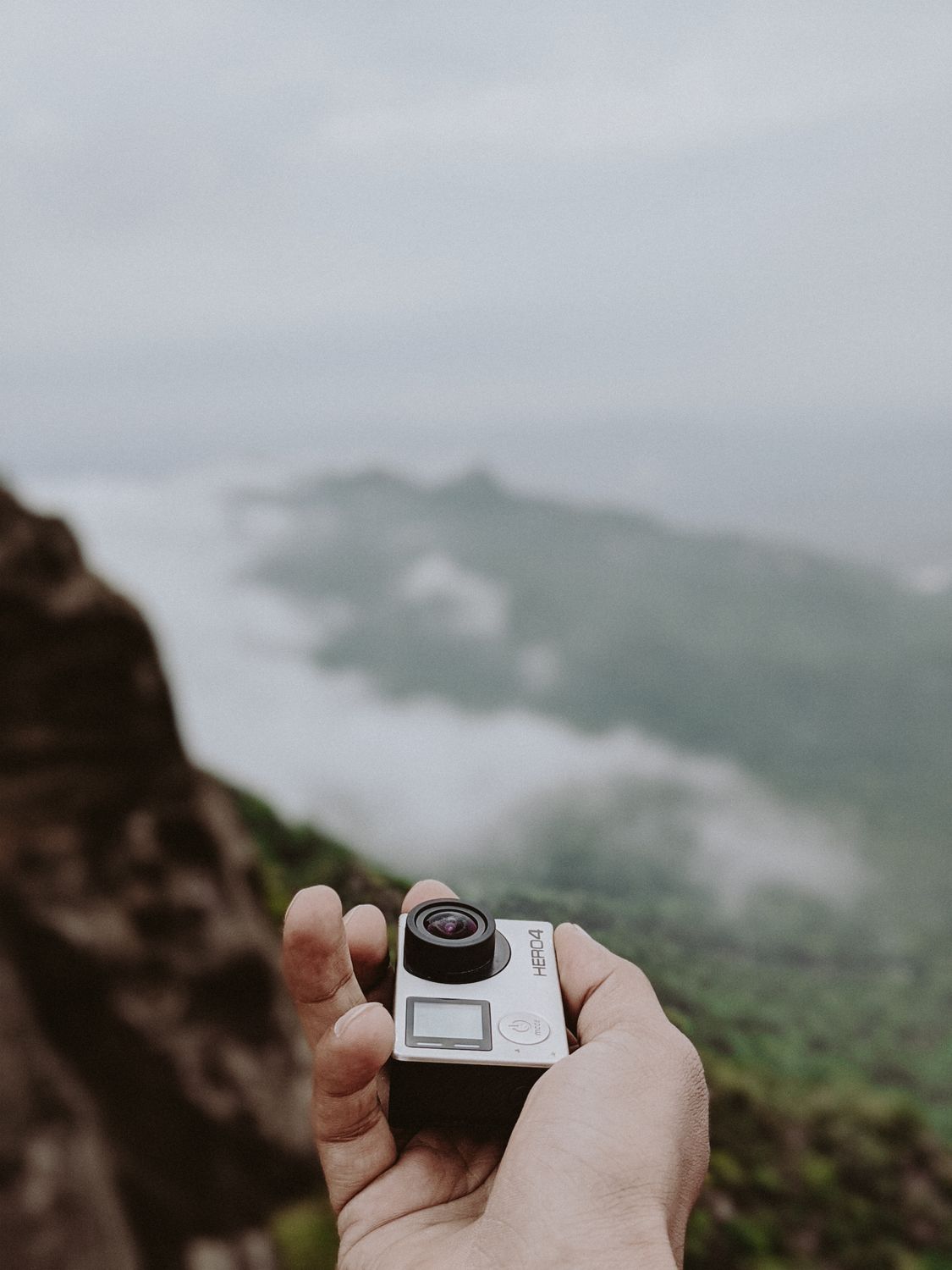
Climbers need a camera that won’t add bulk to a harness and can survive a fall. The Insta360 GO 3S (39 g) attaches via a magnetic pendant, disappearing into gear for a clean POV. Its 10 m IPX8 rating handles waterfall sections, and the AI editor quickly stitches clips for social sharing. For elite alpinists who want a full-scene view of a multi-pitch ascent, the Insta360 X5 offers 8K 360 capture, letting you review the entire route later.
Surfing and Water Sports
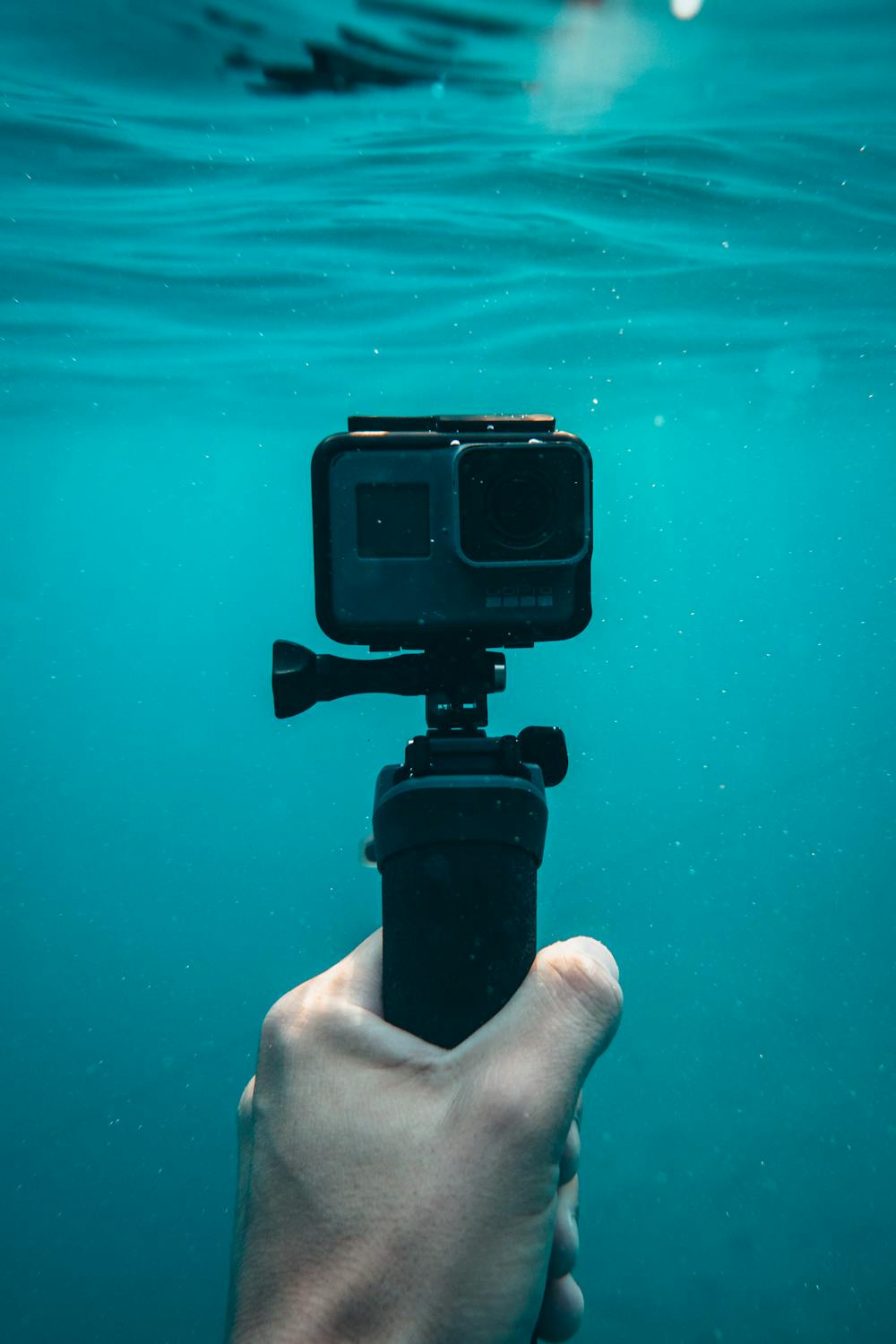
Water resistance and quick-release mounts are non-negotiable. The DJI Osmo Action 5 Pro’s 20 m native waterproof rating lets you drop it straight into a barrel without a case, while its 47 GB internal storage means you won’t lose footage if a memory card gets salty. The Insta360 X5 also handles surf with its 15 m rating and adds the invisible selfie-stick effect — perfect for POV surf reels that feel like you’re riding the wave.
Skiing and Snowboarding
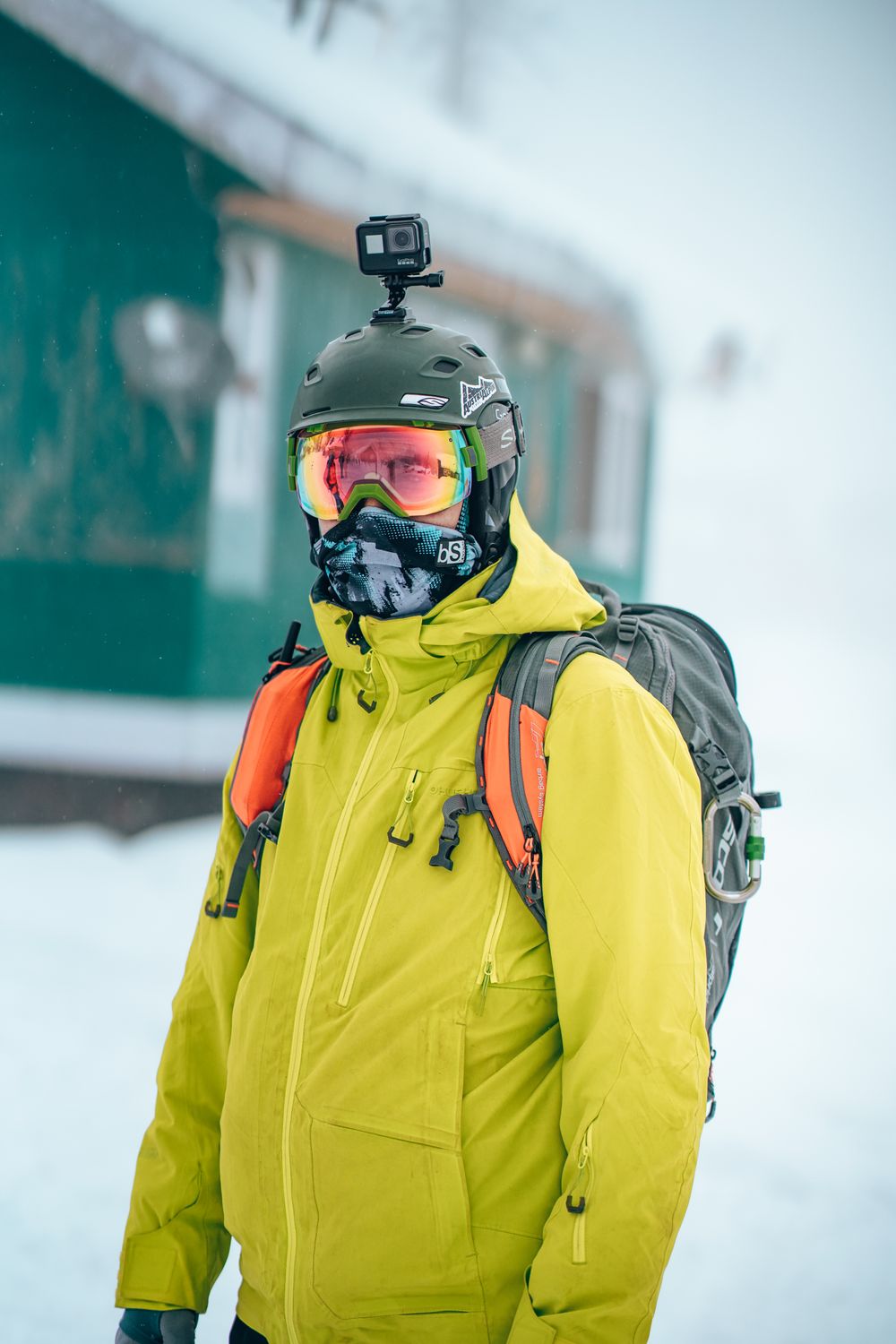
Cold temperatures drain batteries fast. The DJI Osmo Action 5 Pro shines with a 4-hour battery that stays reliable down to -20 °C, plus subject-tracking that keeps the rider centered on steep runs. Its 13.5-stop dynamic range captures the contrast between bright snow and shadowed trees. For a more budget-friendly option, the Action 4 still offers 10-bit color and HorizonSteady, which keeps footage level when you’re doing backcountry flips.
Overlanding and Off-Road Adventures
Ruggedness and modular power are key. The Insta360 X5’s replaceable lenses let you swap a wide-angle for a telephoto without buying a new body, a boon when you need to capture distant wildlife or tight campsite setups. The AKASO Brave 8 offers two batteries and a remote, giving you up to three hours of recording for a fraction of the price — ideal for long drives where you can swap on the fly.

Budget vs. Pro: When to Upgrade
| Scenario | Stay Budget (AKASO Brave 8) | Step Up (DJI Action 4) | Go Pro-Level (Insta360 X5 / Action 5 Pro) |
|---|---|---|---|
| First solo trip | Under $110, includes spare battery | — | — |
| Cold-weather multi-day ski tour | Battery drains quickly | 4-hour battery, good low-light | 4-hour battery + 47 GB storage (5 Pro) |
| Professional content for sponsors | Limited color grading, no 360 | 10-bit D-Log M, decent stabilization | 8K 360, AI editing, replaceable lenses |
| Underwater macro or marine biology | No dedicated housing | Limited depth | 1-inch sensor, crushproof (RX0 II) |
| Weight-critical ultralight runs | 115 g, but bulkier than GO 3S | — | — |
| Need for 360 immersion | No | No | X5 (8K 360) |
If you’re still on the skill-ladder “beginner” rung, the AKASO Brave 8 gives you a functional 4K cam with spare power out of the box. Intermediate adventurers — those who have logged a few trips and want better color or longer battery — should look at the DJI Osmo Action 4 or the Insta360 GO 3S for a mix of price and performance. Professionals or content creators who demand the highest fidelity, interchangeable optics, or immersive 360 footage will gravitate toward the Insta360 X5, DJI Osmo Action 5 Pro, or Sony RX0 II.
Final Verdict: Which Camera Wins for Which Adventure
- Climbing and Via Ferrata: Insta360 GO 3S for ultra-light, magnetic mounting; Insta360 X5 for full-scene 360 documentation.
- Surfing and Water Sports: DJI Osmo Action 5 Pro for built-in storage and deep waterproofing; Insta360 X5 for immersive 360 surf reels.
- Skiing and Snowboarding: DJI Osmo Action 5 Pro (cold-proof battery, subject tracking) tops the list; Action 4 is a solid secondary choice for budget-conscious riders.
- Overlanding and Long-Haul Road Trips: Insta360 X5 (replaceable lenses, 8K 360) for pros; AKASO Brave 8 for budget explorers who need extra batteries.
- Macro Underwater and Cinematic Production: Sony RX0 II dominates with its 1-inch sensor and rugged build, despite the higher price tag.
The market’s 11.56 % CAGR through 2034 shows that today’s “budget” models will only get better, but the six cameras above already deliver the durability, resolution, and battery life that serious adventure travelers demand. Pick the tier that matches your skill level, pack it with a sturdy mount, and let the terrain dictate the story — not the camera.
Related Reading
Get price-drop alerts and new guides from BoldTripGuide
One email a week: price drops on the gear we recommend, new guides, and what changed. No spam, unsubscribe anytime.