Altitude Acclimatization Protocol for Adventure Travelers 2026
Follow the latest Wilderness Medical Society 2024 rules, CDC medication guidance, and proven gear to safely ascend high-altitude peaks in 2026.

This post may contain affiliate links. Disclosure
High-altitude adventure is a rush of adrenaline, but the thin air can turn a summit push into a medical emergency in minutes. In 2026 the Wilderness Medical Society (WMS) and the CDC have converged on a clear, data-driven protocol: limit nightly gains to 500 m above 3,000 m, insert a rest day for every 1,000 m climbed, and back every ascent with pulse-ox monitoring and a satellite SOS link. Approximately 200 million people travel to high-altitude destinations annually worldwide, and altitude illness-related deaths in Nepal’s trekking circuits have been estimated at 7.7 per 100,000 trekkers. Whether you’re tackling Kilimanjaro’s Uhuru Peak, the Andes’ Aconcagua, or a backcountry Colorado ski bowl, following these rules, using the right meds, and packing vetted tech can keep your ascent safe and your story epic.
Short answer: The 2024 Wilderness Medical Society guidelines set the standard: above 3,000 m, gain no more than 500 m of sleeping altitude per night and take one full rest day for every 1,000 m of cumulative gain. Back that with pulse-oximetry monitoring and a satellite SOS link, and remember descent treats every altitude illness.
The Gold Standard: WMS 2024 Acclimatization Rules
The 2024 Wilderness Medical Society Clinical Practice Guidelines set the benchmark for safe altitude gain. Once you break 3,000 m (around 9,800 ft), the body’s ability to oxygen-adapt drops sharply. The WMS recommends no more than a 500 m (1,650 ft) increase in sleeping altitude per night and one full acclimatization rest day for every 1,000 m (3,280 ft) of cumulative gain.
Why this matters: a controlled ascent gives the respiratory and circulatory systems time to increase red-cell production, ventilatory drive, and capillary density. Skipping a rest day or sprinting up a ridge can push you from mild AMS straight into high-altitude cerebral edema (HACE) or high-altitude pulmonary edema (HAPE), both of which can be fatal within 24 hours.
The WMS also highlights a pre-acclimatization window: spending at least two nights between 2,450 m and 2,750 m within two weeks before a higher push cuts AMS risk dramatically. This “sleep-low, train-high” approach is especially useful for travelers who can’t afford a week-long trek to base camp before the main objective.
Key takeaway: Treat the 500 m/night rule as non-negotiable above 3,000 m, and schedule a rest day for every 1,000 m you climb.
For AMS clinical context, see the StatPearls: Acute Mountain Sickness — NIH/NCBI reference used by wilderness medicine practitioners worldwide.
Understanding Altitude Illness — AMS, HACE, HAPE
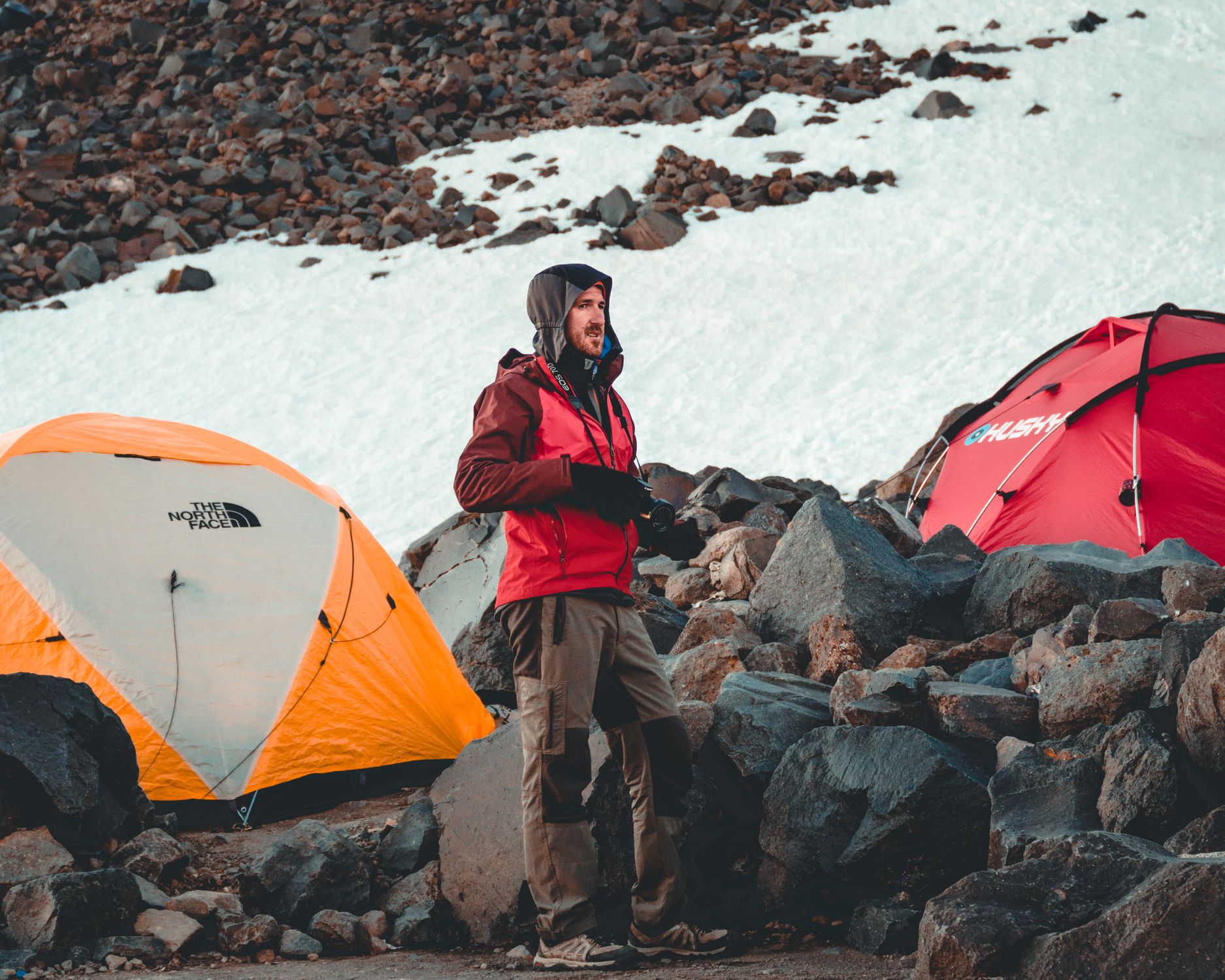
Altitude illness isn’t a single entity; it’s a spectrum that begins with Acute Mountain Sickness (AMS) and can progress to High-Altitude Cerebral Edema (HACE) or High-Altitude Pulmonary Edema (HAPE).
AMS affects roughly 25% of travelers sleeping above 2,450 m and 15-40% of visitors who jump from sea level to Colorado ski resorts (around 2,438 m) in a single day, per the CDC Yellow Book 2026. Symptoms appear 2-12 hours after arrival and the cardinal sign is a headache plus at least one of: anorexia, dizziness, fatigue, nausea, or vomiting.
HACE is a neurologic emergency that can progress to coma in 24 hours if untreated. It typically follows severe, untreated AMS and presents with ataxia, confusion, or a “drunk” gait. According to StatPearls (NIH/NCBI), HACE occurs in 2-3% of trekkers at 5,500 m.
HAPE is a fluid-filled lung condition where SpO2 drops 10% or more below the altitude-expected norm (CDC Yellow Book 2026). Early signs include breathlessness at rest, cough, and a rapid drop in oxygen saturation. AMS incidence globally ranges from under 10% to over 90% depending on ascent rate and destination.
Bottom line: Recognize the early headache-centric pattern of AMS, monitor SpO2 trends, and never ignore neurologic or respiratory deterioration.
The CDC Yellow Book remains the go-to complementary clinical reference for altitude illness prevention — bookmark it before departure.
Medication Protocol — Acetazolamide and When to Use It
Acetazolamide (brand name Diamox) remains the frontline pharmacologic prophylaxis for AMS. The CDC recommends a 125 mg dose twice daily, started the day before ascent and continued for at least two days at altitude. If symptoms appear, the treatment dose jumps to 250 mg twice daily.
Acetazolamide works by inducing a mild metabolic acidosis, which stimulates ventilation and improves oxygenation. It’s most effective when paired with the WMS ascent schedule; the drug does not replace the need for proper acclimatization.
Prescription tip: Travelers should visit a travel-medicine clinic 4-6 weeks before departure to obtain a prescription, discuss contraindications (e.g., sulfa allergy, severe liver disease), and receive counseling on hydration and electrolyte balance.
While some trekkers experiment with herbal remedies, the CDC and WMS both stress that no over-the-counter supplement matches the proven efficacy of acetazolamide for preventing moderate-to-severe AMS.
Pro tip: Pair acetazolamide with a high-carb diet and liberal fluid intake (3-4 L/day) to mitigate side effects like paresthesia and mild diuresis.
Building a Fitness Base — Pre-Trip Conditioning
Altitude tolerance is not purely genetic; a solid aerobic and muscular foundation reduces the relative stress of hypoxia. The ACSM 2026 Resistance Training Guidelines recommend:
- 3-4 days per week of mixed aerobic (running, cycling, rowing) and resistance work.
- Progressive overload focusing on lower-body strength (squats, lunges, step-ups) to improve climbing efficiency.
- High-intensity interval training (HIIT) sessions of 20-30 minutes to boost VO2max, which correlates with better oxygen utilization at altitude.
For trekkers, a trail-running training plan that mimics the elevation profile of the target climb can be especially beneficial. Incorporate hill repeats and back-to-back long runs to simulate multi-day fatigue.
Remember, a well-conditioned body still needs the WMS 500 m/night rule; fitness cannot outrun the physiological limits imposed by reduced barometric pressure.
Practical Acclimatization Strategies — Staged Ascent, Rest Days, Pre-Acclimatization
-
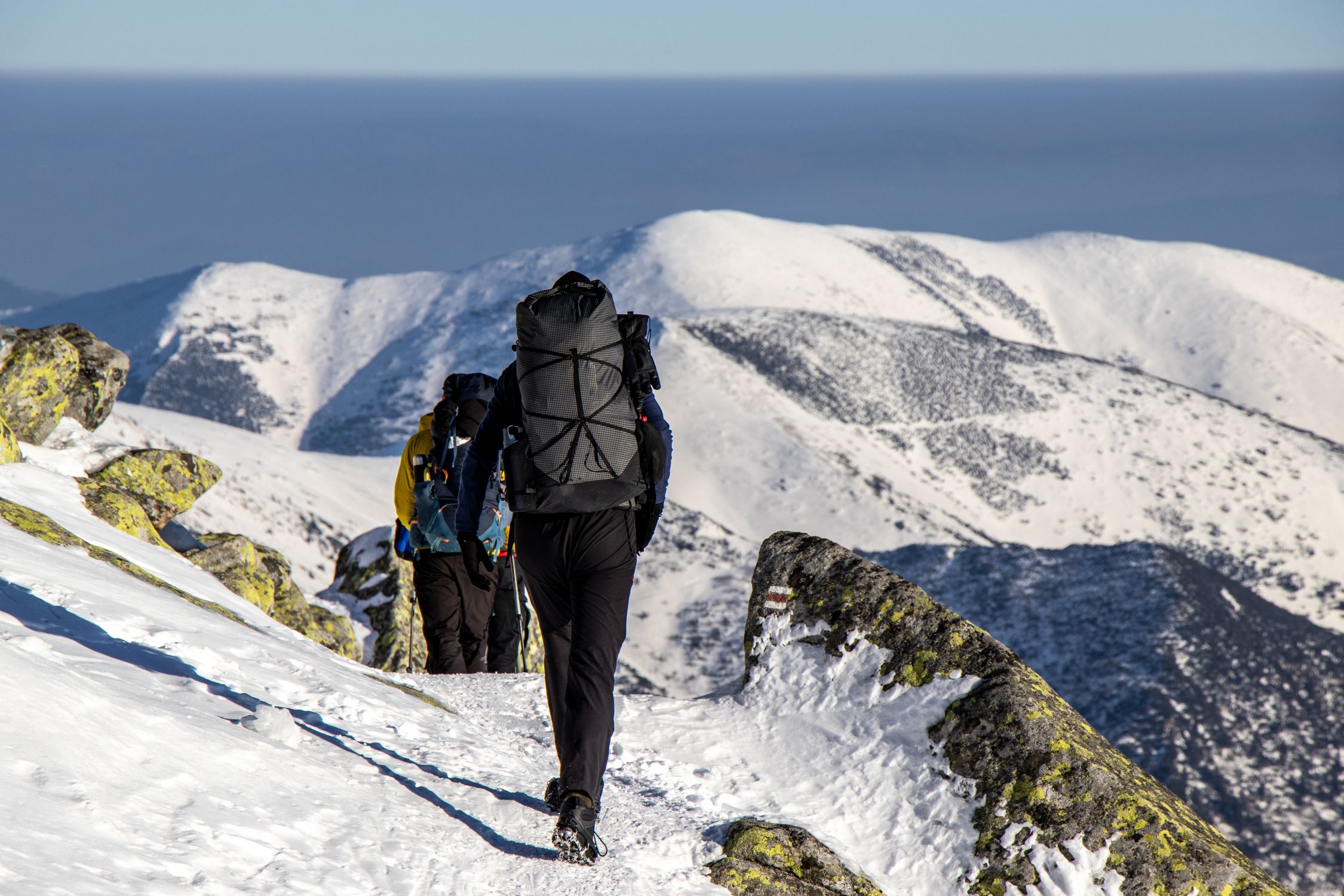
Stage Your Climb — Break the route into logical “sleep-low, climb-high” segments. For example, on a Kilimanjaro itinerary, spend night 1 at 2,400 m, night 2 at 2,900 m, then rest at 3,500 m before pushing to 4,500 m.
-
Insert Rest Days — After every 1,000 m of cumulative gain, schedule a full rest day (no ascent, optional light activity). Use this day for hydration, nutrition, and SpO2 checks.
-
Pre-Acclimatization Trips — If you have time, spend 2-3 nights at a moderate-altitude resort (e.g., 2,600 m in the Andes or 2,500 m in the Colorado Rockies) within 14 days of the main expedition. This “pre-load” primes erythropoiesis and reduces AMS incidence (WMS 2024).
-
Hydration and Nutrition — Aim for 3-4 L of water daily, add electrolytes, and consume high-carb meals (60-70% of calories) to support increased ventilation.
-
Avoid Alcohol and Sedatives — Both depress respiratory drive and can mask early AMS signs.
By adhering to these tactics, you align your itinerary with the WMS 500 m/night rule, give your body the rest it needs, and dramatically lower the odds of severe altitude illness.
Monitoring Your Body — Pulse Oximetry and Real-Time Communication
Masimo MightySat Rx Fingertip Pulse Oximeter
- ASIN: B07GMHSLK4
- Price range: $149-$175
- Specs: Medical-grade SpO2, pulse rate, Pleth Variability Index; Bluetooth sync; under 50 g; AAA battery.
- Best for: Trekkers who want continuous oxygen saturation trends during staged ascents.
- Pros: Hospital-level accuracy; detects the 10% SpO2 drop that signals early HAPE; Bluetooth logs data to your phone for easy review.
- Cons: Readings can be skewed by nail polish or cold extremities; requires user knowledge of altitude-adjusted normal ranges.
Garmin inReach Mini 2 — Satellite Communicator with SOS
- ASIN: B09MF1V17X
- Price range: $349-$399
- Specs: 100 g; two-way satellite messaging; SOS trigger; GPS tracking; 14-day battery in tracking mode; works above 3,000 m where cell service is absent.
- Best for: Adventure travelers above 3,000 m who need emergency SOS capability if AMS escalates to HACE or HAPE.
- Pros: Lightweight; SOS contacts GEOS International Emergency Response Center; real-time GPS lets base camp monitor ascent rate and intervene early.
- Cons: Requires a subscription ($14.95/mo minimum); not a medical device; does not monitor blood oxygen.
How to integrate them:
- Morning Check: Use the MightySat to log SpO2 before breakfast. A reading at or above 90% at 3,000 m is typical; a sudden dip to 80% or below warrants a rest day or descent.
- Mid-day Sync: Bluetooth sync the oximeter to your phone, then send the trend via the inReach Mini 2 to a trusted contact.
- SOS Trigger: If you develop a severe headache, ataxia, or SpO2 plunge, hit the SOS button. The device transmits your GPS coordinates to rescue services worldwide, even when you’re out of cell range.

Emergency Planning — SOS, Rescue, and Decision-Making
Even the best-planned ascent can go sideways. A robust emergency plan should include:
- Pre-trip briefing with a travel-medicine specialist to discuss acetazolamide dosing, contraindications, and personal health history.
- Clear evacuation thresholds:
- AMS: If headache persists for more than 24 hours despite rest and hydration, descend 500 m.
- HACE: Immediate descent of at least 500-1,000 m, administer 250 mg acetazolamide (if available), and trigger SOS.
- HAPE: Immediate descent, oxygen if possible, and SOS.
- Buddy system: Never trek alone above 3,000 m; a partner can spot early signs and operate the inReach SOS if you’re incapacitated.
- Local rescue contacts: Know the nearest rescue base (e.g., Nepal’s Himalayan Rescue Association, Colorado’s Mountain Rescue Unit) and have their radio frequencies or phone numbers saved.
- Gear checklist: Include a lightweight pulse oximeter, satellite communicator, extra batteries, warm layers, and a compact first-aid kit with a portable oxygen canister if you’re in a high-risk zone.
By treating the SOS device as a lifeline rather than a novelty, you ensure that help can be summoned within minutes — critical when HACE can progress to coma in under a day.
Destination-Specific Altitude Profiles
Different high-altitude destinations demand different protocols. Here is a quick reference for three of the most popular:
Mount Kilimanjaro (5,895 m, Tanzania) — The most accessible summit above 5,000 m. The Lemosho and Machame routes (7-8 days) build in superior acclimatization compared to the shorter Marangu route. Even so, summit success rates hover around 65-85% depending on the route and conditions. AMS affects the majority of Kili climbers at some point; acetazolamide is widely recommended.
Aconcagua (6,961 m, Argentina) — South America’s highest peak demands a full acclimatization pyramid. Standard itineraries span 18-22 days with multiple high-camp carries and rest days. Pre-acclimatization at Mendoza (760 m) helps, but a 5-6 day approach and at least two high-camp rotations are non-negotiable for safety.
Colorado Ski Resorts (2,400-3,500 m) — Rapid ascent from sea level by air is the chief risk. The CDC notes that 15-40% of visitors flying in from below 900 m develop AMS within 24 hours. The protocol here is simpler: avoid alcohol on day one, hydrate aggressively, and descend to sleep at a lower elevation if symptoms develop. Acetazolamide prophylaxis is appropriate for those with a history of AMS.
Key Takeaways: Your Altitude Safety Checklist
- Ascend no faster than 500 m per sleeping night above 3,000 m (WMS 2024).
- Schedule one full rest day per 1,000 m of cumulative gain.
- Pre-acclimatize with 2+ nights at 2,450-2,750 m within 14 days of the main objective.
- Visit a travel-medicine clinic 4-6 weeks before departure for acetazolamide prescription.
- Carry a medical-grade pulse oximeter and track SpO2 each morning.
- Pack a satellite communicator with an SOS trigger.
- Know evacuation thresholds: any ataxia or SpO2 drop below 80% = immediate descent.
- Never trek alone above 3,000 m.
- Avoid alcohol and sedatives for the first 48 hours at altitude.
- Hydrate 3-4 L daily and eat high-carbohydrate meals.
The combination of disciplined staging, early pharmacologic support, and real-time monitoring with vetted tech is the closest thing to a guarantee that your high-altitude story ends with a summit selfie rather than an evacuation.
Related Reading
Get price-drop alerts and new guides from BoldTripGuide
One email a week: price drops on the gear we recommend, new guides, and what changed. No spam, unsubscribe anytime.